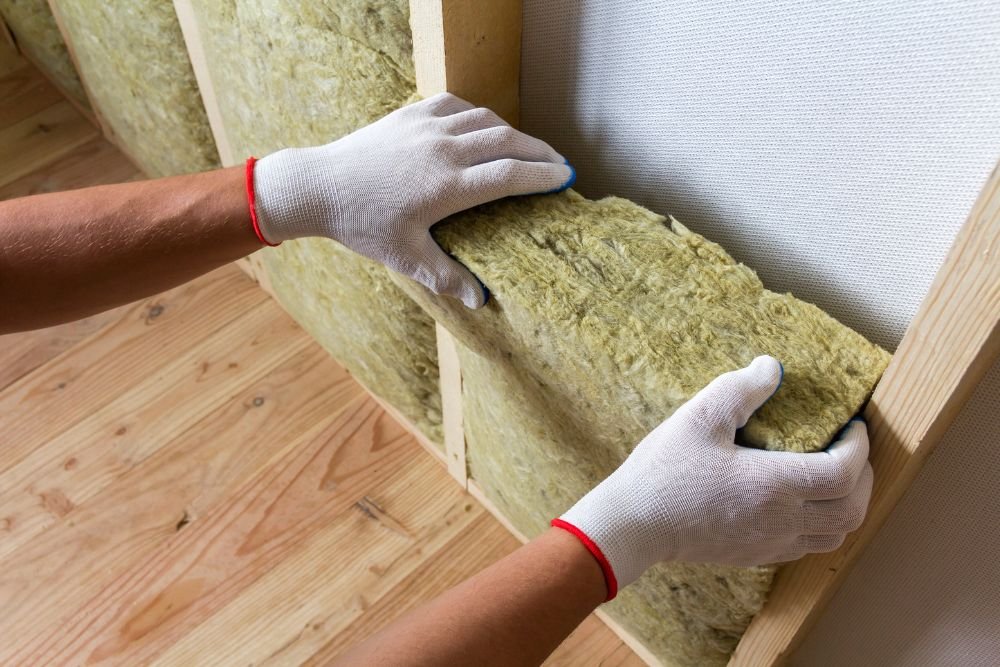
Is your house always freezing in winter and unbearably hot in summer? If you’re experiencing some discomfort within your home during these seasons, there’s a good chance that your insulation isn’t working properly. Insulation is crucial to ensure your home’s energy efficiency, especially when retaining heat during winter and cool air during summer. With time, insulation materials may start deteriorating, making it important to recognize the signs of wear and tear. This article highlights some ways to know when to replace the insulation in your home.
Insulation Age
The first way to know it’s time to replace the insulation in your home is by taking note of the age. Many insulation materials have a 30- to 40-year lifespan and begin to lose efficiency once they reach this limit. Suppose your house still has the same insulation from the time it was built. In that case, you should consider replacing it, as it could cause energy inefficiency and affect your living conditions.
Pest Infestations
Another sign to look at is the presence of pests, specifically rodents or insects, in your home. These creatures chew through insulation materials, causing significant damage. If you notice any signs of pests, including droppings and nests, your insulation is likely compromised and needs replacement.
High Energy Bills
Are you wondering why your heating bill has increased lately? Your insulation could be the culprit. Damaged or outdated insulation materials can lead to energy loss. This loss forces your HVAC system to work harder to preserve the desired indoor temperature. Replacing your insulation will improve energy efficiency, helping you save money on utility bills.
Moisture Damage
Moisture damage is another significant indication of insulation failure. When insulation becomes exposed to moisture, it loses its effectiveness, leading to the growth of mold and mildew, which can be a serious health hazard. If you notice water stains in your ceilings or walls, mildew, or a damp smell in your house, replacing your insulation is probably necessary.
Pungent Odors
Finally, if you smell musty and unpleasant odors inside your home, they could be coming from your insulation. The accumulation of pet urine, cigarette smoke, cooking smells, or other unpleasant aromas can stick to insulation materials, making it necessary to replace the product to eliminate any offensive odors. The odor can also indicate mold, which, as we mentioned above, could stem from ineffective insulation.
Replacing your insulation can improve your living conditions, your home’s energy efficiency, and your overall health. By keeping an eye out for these ways to know when to replace the insulation in your home, you can maintain your home’s efficiency.