7 Steps To Successfully Restore a Vintage Building
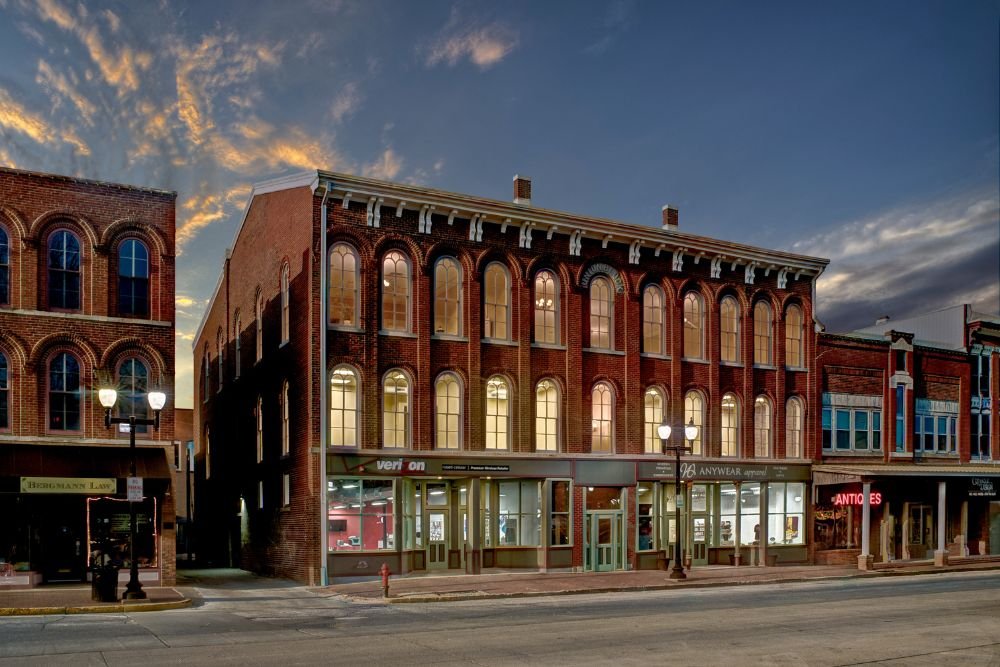
Restoring a vintage building means reclaiming both beauty and history. These structures boast unmatched charm and character and make proud and lovely homes and workspaces. On the other hand, they also present unique challenges. If you're about to tackle your next big restoration project, follow these seven steps to successfully restore a vintage building. This is the best way to preserve its beauty and integrity.
Assess the Condition
Start with a thorough inspection. Hire a professional inspector to assess the structural stability, foundation, roof, and walls—and that’s just for starters! Even if a vintage building appears to be in good shape, you’ll likely uncover hidden issues. Look for moisture and weak points, and keep an eye peeled for other common hazardous materials in old buildings, like lead paint and asbestos.
Research the Building's History
Understanding your building's history provides valuable insight into its original design and materials. Check public records and archives for blueprints and photos. City hall, the local library, and historical societies provide plenty of information about the building, its former residents, and the neighborhood. This research helps you stay true to its style during the restoration.
Create a Restoration Plan
Craft a detailed plan to guide your project. Outline your goals, timeline, and budget. Prioritize urgent repairs, like fixing a leaking roof or stabilizing the structure. Remember, it's okay if the plan evolves as you uncover unexpected challenges.
Work With Skilled Professionals
Team up with experts who specialize in vintage restorations. Often you can find a local company familiar with the town’s buildings and their restoration. Call in architects, contractors, and craftsmen who understand traditional construction techniques. Their expertise ensures the work stays true to the building's history while meeting modern safety standards.
Use Authentic Materials
Sadly, you won’t have ready access to old-growth wood and similar rare materials that were traditionally used to construct many old buildings. Still, there are worthy modern substitutes. Some contemporary materials match or closely replicate the building’s original components. For original material and ornamentation, however, check salvage yards and specialty suppliers. They’re excellent resources for vintage doors, windows, tiles, bricks, and other parts. This step is critical to maintaining the building's authenticity.
Revive, Don’t Replace
The urge to replace things should be kept in check. Preservation is the key to a successful restoration. Repair rather than replace. Restore original moldings, floors, and other elements to retain the structure's character and charm. It’s a sustainable practice that adds to the building’s historic value too.
Personalize Thoughtfully
Restoring a vintage building is about honoring its past. That doesn’t mean you can’t make it your own. Focus on subtle updates that blend seamlessly with the old. Modernizing plumbing, electrical systems, or adding energy-efficient heating and cooling are necessary and won’t detract from its beauty if done respectfully.
Those are seven steps to successfully restore a vintage building. Restoring a vintage building is an exciting and rewarding challenge. With these seven steps, you can balance modern utility and historical authenticity, breathing new life into your structure.