In the August of 2021, Florida experienced the harsh effects of Hurricane Michael. The storm damaged roofs, flooded homes and created extensive power outages throughout the state. Preventing hurricane-related damage is essential to property preservation.
Residents in hurricane-prone regions like Florida should evaluate the top storm-preparation steps. Researchers found storms will become stronger and more intense as the global temperature rises. Learn how to protect yourself and your family from hurricane damage by following six tips.
How Storms Cause Property Damage
Hurricanes are one of the strongest storms on Earth. They create dangerously high wind speeds, which often result in damage to buildings. In 1969, Hurricane Camille produced winds of about 190 miles per hour.
High winds can create flying debris and material loss. The storms also increase rainfall, which places regions at risk for flooding and mudslides. Many houses also lose power during hurricanes and experience emergency response limitations.
1. Fix Leaks
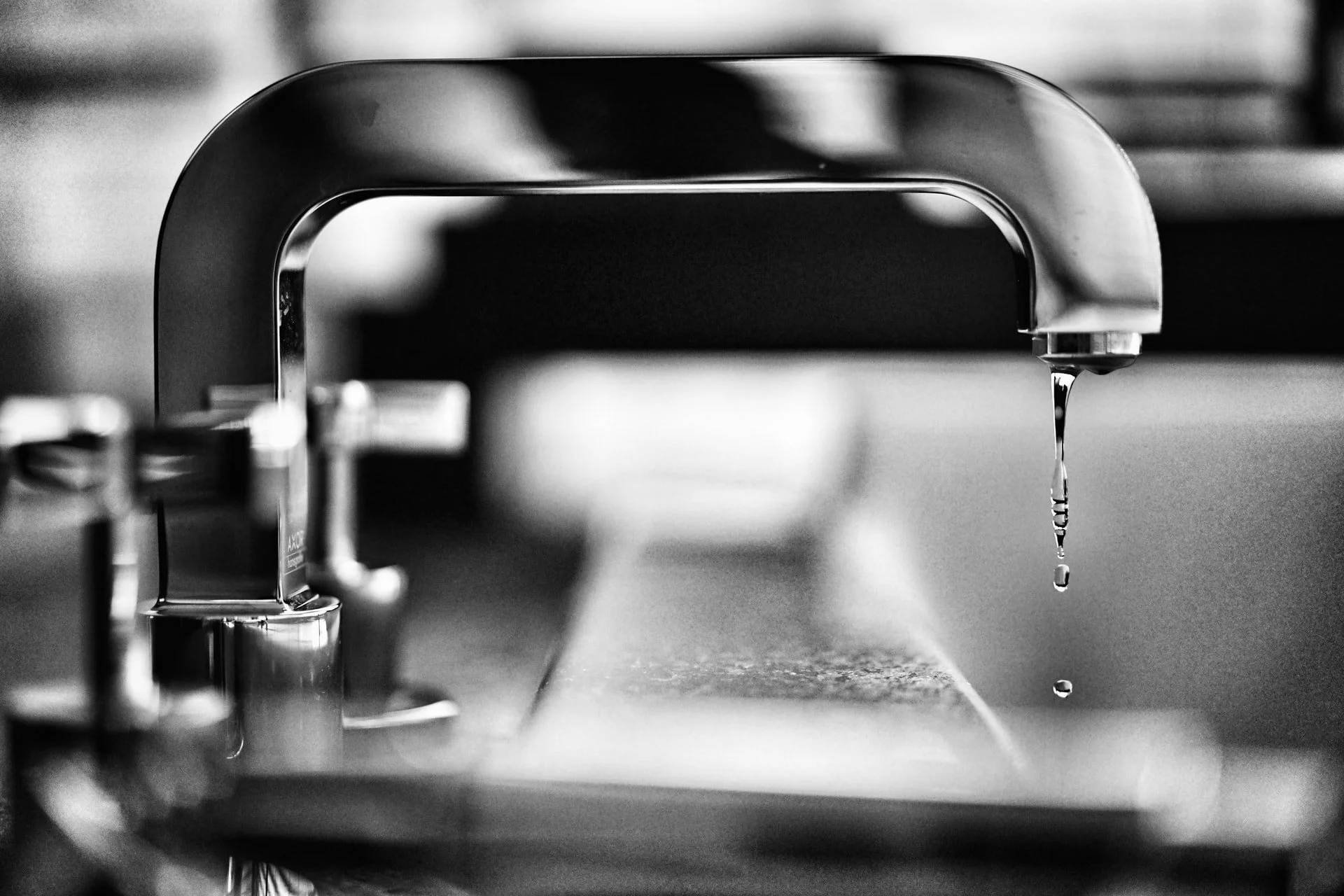
image via Unsplash
The first storm-preparation measure homeowners should take to protect their properties is fixing leaks. Individuals can find leaks by monitoring their water bills. Family houses should use about 12,000 gallons of water each month.
Preventing leaks can minimize flood damage and material decay during storms. If properties have water damage before storms, they may be less sturdy and resilient.
2. Install a Generator

Image via Unsplash
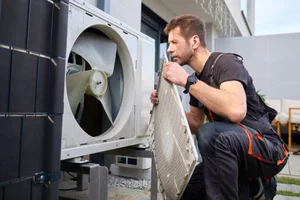
Losing power during a hurricane can decrease your access to emergency-response professionals. Individuals may protect themselves during outages by installing a reliable generator.
Some homeowners are installing solar generators to increase their health and safety. The devices produce electricity without generating greenhouse gas emissions, limiting their exposure to air pollutants and improving their lung health.
3. Replace Outdated Windows

Image via Unsplash
Another essential preparation tip is to replace outdated windows. Impact-rated windows can prevent property damage from flying debris, strong winds and rain. They may also decrease your monthly insurance rates, helping you save money.
4. Repair Roof Damage

image via Unsplash
Individuals can also protect their properties from storm damage by repairing their roofs in the spring and early summer. You can identify roof damage by searching for ceiling stains and looking out for missing shingles outside.
Residents should repair roof damage immediately to prevent collapsing and flooding. Hurricane-proofed roofs can protect individuals’ homes and health.
5. Trim Trees and Shrubbery

Image via Unsplash
This other vital technique involves trimming trees and shrubbery. You should prune any trees taller than 15 feet around your property to prevent falling branches. Also, you can remove trees growing an arm’s reach from your home, as these can pose a high risk if they fall during the storm.
6. Clear Gutters

Image via Unsplash
Additionally, make sure you’re clearing your home’s gutters. Individuals should remove all leaves and debris from gutters to enhance water flow during storms. Preventing water accumulation reduces your and your family’s risks of mold exposure.
Flooding and moisture accumulation can increase mold growth indoors. As it does, those living in the building may experience asthma attacks and symptoms similar to hay fever. Clearing gutters can protect individuals’ health and well-being during the hurricane season.
Prepping a Hurricane-Safe Home
You can reduce the amount of hurricane preparation work you have to do each season by investing time into storm-safe preparation. If you’re relocating, you can search for properties with appropriately spaced trees to limit wind destruction and debris. However you prepare for a hurricane, make sure you’re following these tips to reduce the chances of severe damage.