Property Owner Guide · South Florida Real Estate
How Landscaping Can Affect Your Property Value
See how strategic landscaping can improve curb appeal, support property value, and help homeowners create an outdoor space that feels cared for here.
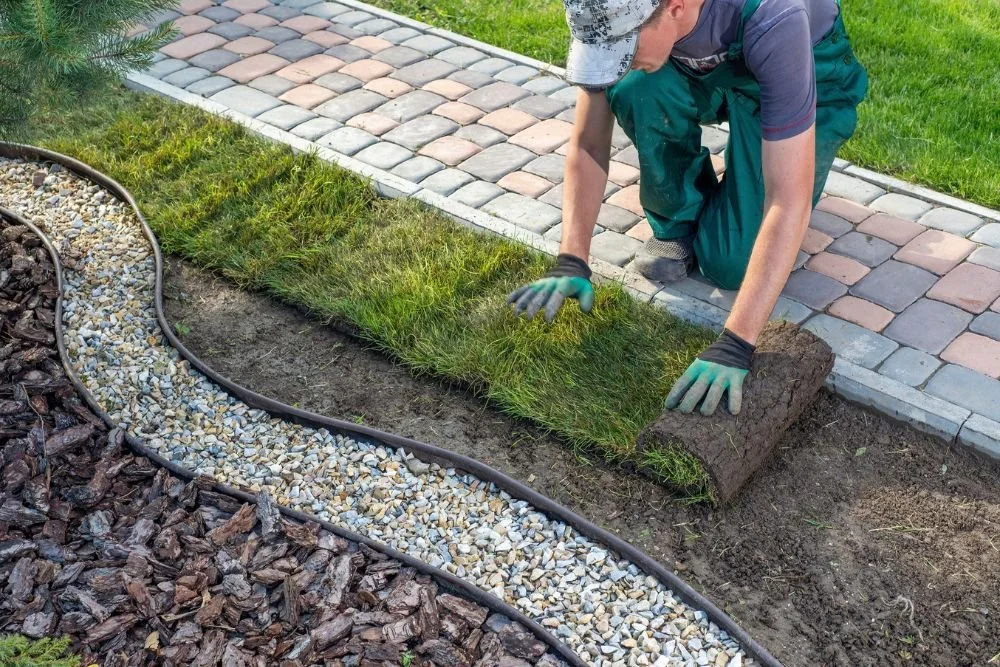
Landscaping does more than make a property look attractive. The condition of a yard, the placement of trees, the quality of hardscaping, and the overall level of maintenance can all shape how buyers perceive a home.
For homeowners, landscaping can also influence how functional and comfortable an outdoor space feels. A shaded patio, healthy lawn, well-placed trees, or clean walkway may make a property feel more inviting before a buyer ever steps inside.
Keep reading to understand how landscaping can affect your home’s property value.
Why First Impressions Matter
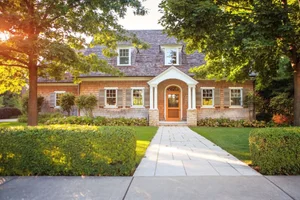
Real estate decisions start with perception. Buyers usually form an opinion about a property within moments of seeing it, and the exterior sets expectations for what they may find inside.
A neat lawn, trimmed shrubs, healthy trees, and clear walkways can suggest that the home receives consistent care. By contrast, neglected landscaping may make buyers wonder whether other parts of the property have also gone without maintenance.
Curb appeal does not depend on an elaborate design. In many cases, clean lines, healthy plantings, and a tidy appearance matter more than expensive landscaping features.
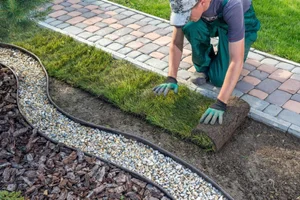
Even modest improvements can help a property present itself more effectively. Fresh mulch, edged garden beds, pruned branches, and repaired walkways may create a more polished appearance without requiring a major renovation.
Healthy Trees Can Add Long-Term Value
Mature trees can be a major asset on residential property. They provide shade, help define outdoor spaces, and can contribute to the visual character of a neighborhood.
Their value depends heavily on condition and placement. A healthy tree that receives appropriate care can enhance a yard. A damaged or unstable tree may create concerns about falling branches, roof damage, roots, or future removal costs.
Regular tree inspections and maintenance can help homeowners identify problems before they become more serious. One of the advantages of ongoing arborist care plans is that professionals can assess tree health, pruning needs, structural concerns, pest activity, and other risks that may not be obvious from the ground.
Lawn Condition Can Influence Buyer Perception
A home’s lawn is a primary factor in how landscaping can affect your property value. A lawn covers a large portion of many residential properties, so its condition has a strong visual impact. A healthy lawn can make a home feel finished and cared for. Bare patches, excessive weeds, poor drainage, or overgrown grass can create the opposite effect.
Homeowners do not necessarily need a perfect lawn to make a positive impression. Consistent mowing, basic weed control, proper watering, and seasonal maintenance can go a long way.
In regions where traditional turf requires significant water or maintenance, homeowners may also consider alternatives such as native ground cover, drought-tolerant landscaping, or reduced lawn areas. The best approach usually fits the local climate and the property's overall design.
Hardscaping Can Improve Outdoor Function
Landscaping includes more than plants. Patios, walkways, retaining walls, fences, and similar features can influence how buyers view the usefulness of an outdoor space.
A well-maintained patio may create an obvious area for dining or entertaining. A clear walkway can improve access and make the property feel more organized. Condition matters, though.
Cracked concrete, unstable pavers, damaged retaining walls, or leaning fences can create maintenance concerns. These issues may also suggest additional repair costs to prospective buyers.
Before adding new hardscaping, homeowners may benefit from repairing existing features. Restoring what is already in place can improve appearance while avoiding unnecessary complexity.
Drainage Deserves Special Attention
Drainage may not be the most visually appealing part of landscaping, but it can have a major effect on a property. Improper grading, clogged drains, or poorly placed landscaping features can direct water toward a foundation or create standing water in the yard. Over time, moisture problems may contribute to erosion, damaged plantings, or structural concerns.
Homeowners should pay attention to areas where water collects after heavy rain. They should also watch for soil erosion near slopes, patios, walkways, and foundations.
Solutions can include grading adjustments, drainage systems, permeable materials, or strategic planting. The right approach depends on the property's layout and the source of the water problem. Addressing drainage concerns can make the landscape more functional while reducing the chance of future damage.
Low-Maintenance Landscaping Can Appeal to Buyers
Not every buyer wants an outdoor space that requires hours of weekly upkeep.
Simple, durable landscaping can appeal to people who want an attractive yard without intensive maintenance. Native plants, mulch beds, hardy shrubs, and efficient irrigation systems may reduce ongoing work while still creating a polished appearance.
A complex landscape can sometimes discourage buyers if it appears difficult or expensive to maintain. Homeowners preparing to sell may want to simplify areas that feel cluttered or overgrown. Removing dead plants, thinning crowded beds, and creating clearer borders can make a yard feel easier to manage.
The same principle applies to outdoor features. A smaller number of well-maintained elements may create a stronger impression than several features in poor condition.
Landscaping Should Match the Property
Landscaping works best when it complements the home rather than competing with it. A large formal garden may suit one property but feel out of place at another. Likewise, a heavily paved yard may limit appeal in a neighborhood where buyers expect green space.
Scale also matters. Trees too close to the house may create concerns about branches or roots. Large shrubs can block windows, hide architectural details, or reduce natural light.
A balanced design keeps plants and structures in proportion to the home. It also supports clear access to entrances, walkways, and outdoor living areas.
For homeowners considering improvements, it can help to look at comparable properties in the surrounding area. This can provide a practical sense of what buyers may expect without copying another home's design.
Maintenance Can Matter as Much as Installation
Installing new landscaping is only part of the equation. Ongoing care affects whether those improvements continue to support the property.
Plants need pruning, trees require monitoring, lawns need seasonal attention, and hardscaping may need cleaning or repair. Deferred maintenance can quickly reduce the impact of previous investments.
That is why homeowners should view landscaping and property value as a long-term relationship rather than a single project. A well-designed yard can lose its appeal if trees become hazardous, beds become overgrown, or walkways deteriorate.
Homeowners can protect their investment by creating a realistic maintenance schedule and prioritizing the areas that have the greatest effect on safety, function, and curb appeal.
Focus on Improvements That Support the Whole Property
Landscaping improvements do not need to be dramatic to make a difference.
Homeowners may get more practical value from pruning unhealthy branches, repairing drainage problems, refreshing garden beds, or improving a front walkway than from adding decorative features that require significant upkeep.
The strongest landscaping choices tend to support the property as a whole. They improve appearance while also addressing function, safety, or maintenance.
For sellers, that can mean creating a cleaner first impression. For long-term homeowners, it can mean building an outdoor space that remains attractive and manageable for years.
Explore South Florida Property Resources
Explore local market options and property care resources:
Frequently Asked Questions
How can landscaping affect property value?
Healthy, well-maintained landscaping can improve curb appeal and outdoor function. Neglected plants, drainage problems, or damaged hardscaping may raise maintenance concerns for buyers.
Do mature trees always help a property?
Healthy, appropriately placed trees can add shade and character. Damaged or unstable trees may present safety concerns and possible repair or removal costs.
Which landscaping projects should sellers prioritize?
Consider pruning, removing dead growth, repairing visible walkway or drainage issues, and refreshing existing beds before adding complex new features.
Can low-maintenance landscaping appeal to buyers?
A tidy yard with durable plants and manageable upkeep may appeal to buyers who want outdoor space without intensive routine work.
Plan Your Property’s Next Chapter
Scott Lehr and The Home Owners Listing Team can help you consider how your property presents in the South Florida market.
Explore Selling Resources Call (954) 342-6180About Scott Lehr
Scott Lehr, PA, works with The Home Owners Listing Team to support buyers and sellers across Broward, Miami-Dade, and Palm Beach counties. Learn more about Scott Lehr.
This article offers general educational information. Landscaping costs, drainage needs, tree conditions, and buyer preferences vary by property and location. Consult qualified landscapers, arborists, and other specialists for property-specific guidance; improvements do not guarantee a particular sale price.