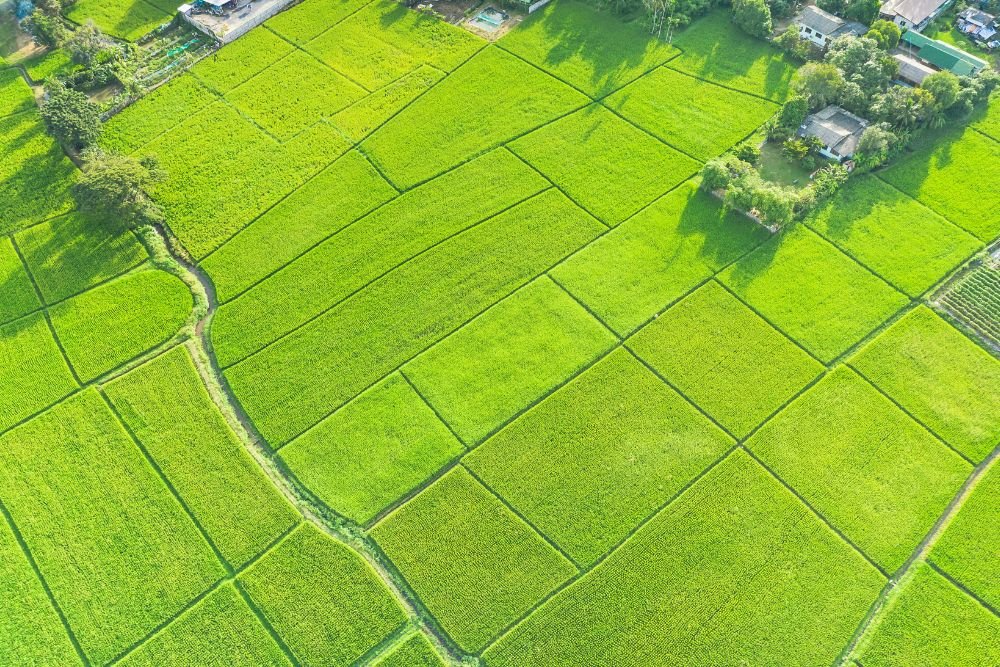
Buying farmland is the first step to a prosperous farming venture or a wise real estate investment. Weighing the various facets of farmland acquisition is crucial for long-term success. Whether you’re a seasoned farmer, a newbie landowner, or an enterprising investor, navigating the intricacies of this purchase requires foresight, planning, and meticulous thought. Here’s a deep dive on a few key things to consider before buying farmland and expanding your real estate portfolio.
Securing Your Piece of Earth: It’s All in the Location
The farmland’s location is pivotal. The farm’s proximity to key markets is a critical factor that dramatically affects your logistical and distribution efficiency. Then there’s the soil itself—its quality and type can make or break your farming potential. Whether it’s high-yielding loam or nutrient-deficient sand, understanding your soil composition is foundational to any productive agricultural endeavor. Lastly, climate conditions play a significant role: temperature patterns, precipitation levels, and growing seasons are instrumental in determining the types of crops you successfully develop.
The Law of the Land: Legal Implications You Can’t Ignore
Legal considerations are as vast as they are vital. Zoning regulations will dictate how you can use your land, what you can build, and what you can grow. Water rights are equally important; securing adequate access to water sources is challenging and may involve complex legislation.
Financial Foundations: Building a Stable Land Portfolio
Purchasing farmland is a significant financial decision, and it’s advised to avoid rushing the outcome. The initial purchase price is a substantial outlay, but there are additional costs to consider, such as property taxes, insurance, and potentially hefty maintenance bills.
Newer farmers or land investors also want to avoid overlooking operational costs, which are usually relatively lofty. On the flip side, farmland is historically a sound, financially healthy investment and offers the potential for stable and worthwhile returns.
The Heart of the Harvest: Facilities and Infrastructure
The state of the farm’s infrastructure is an often-overlooked component of the purchase. Assessing existing structures—like barns and silos—can save you significant investment in the long run.
Additionally, assessing the availability and suitability of utilities such as water, electricity, and gas is vital. Ensuring your farm remains well-connected to these essential services is vital for day-to-day operations and cost management.
The Harvest’s Edge: Navigating Market Volatility and Regulatory Risks
Another key thing to consider before buying farmland is your level of risk. No investment comes without its share, and farmland is no exception. Market volatility can disrupt crop prices and land value, while natural disasters can pose immediate threats to your operation’s viability.
Staying abreast of regulatory changes is a headache, but compliance is non-negotiable. Diversifying your portfolio, ensuring crop yields and land, and building strong relationships with local and national legislators can help mitigate some of these risks.
Before signing on that dotted line, invest the time to research potential farmland options. Engage with local farmers and real estate experts to gain on-the-ground insights. Seek out professional tips for securing farm loan lenders who understand the agricultural industry and can offer tailored financial products. Buying farmland is much more than just buying property; it’s a step toward planting roots in the earth, connecting with nature, and potentially reaping the rewards for years to come.