Interior Design Guide · South Florida Real Estate
Design Details That Can Transform an Ordinary Room
Some design details are meant to polish a room. Other design details are meant to transform an ordinary room into a sanctuary of personal comfort.
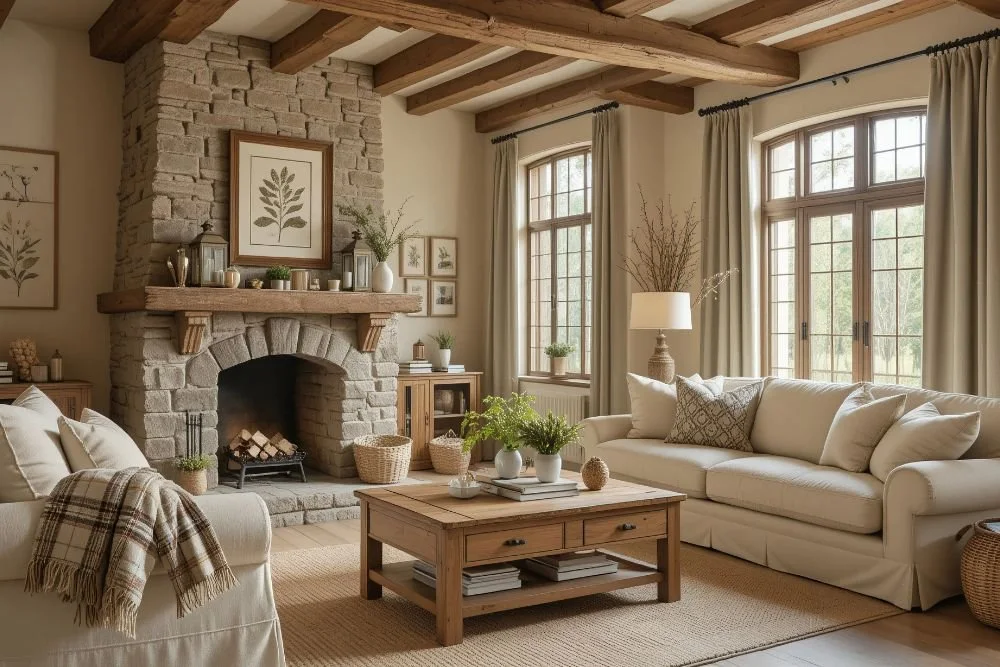
A room doesn’t need a complete renovation to feel dramatically different. Thoughtful design details can change how a space looks, functions, and even influences a buyer’s first impression. Homeowners can often create a more polished environment by focusing on features that add character without overwhelming the existing design. These improvements can also support broader real estate goals by helping a property feel more intentional and well maintained. Explore the design details that can transform an ordinary room into something truly special.
Create a Strong Focal Point
Every memorable room gives the eye somewhere to land when someone walks through the door. A focal point establishes visual order and prevents furniture, artwork, and accessories from competing equally for attention. Homeowners might highlight a fireplace, large window, statement light fixture, built-in shelving, or distinctive piece of artwork. Once they identify that feature, they can arrange the rest of the room to support it.
Fireplaces work particularly well because they naturally create a sense of permanence and architectural interest. Even an electric fireplace can become a convincing centerpiece when homeowners surround it with thoughtful finishes and complementary decor. A substantial mantel, attractive tile, or simple wall treatment can give the feature greater visual weight. These relatively focused updates can make the entire room feel more complete.
Use Lighting To Shape the Atmosphere
Lighting influences the appearance and practical use of a room throughout the day. A single ceiling fixture may provide enough brightness, but it rarely creates a layered, inviting environment. Homeowners can combine overhead lighting with table lamps, floor lamps, sconces, and accent lighting to support different activities. This layered approach can also emphasize architectural details and decorative features.
Natural light deserves just as much consideration when planning a room. Heavy curtains can make a smaller space feel closed in, while lighter window treatments can help sunlight travel farther into the room. Mirrors placed near windows can also reflect daylight and create a greater sense of openness. Buyers often notice bright, comfortable spaces because they can more easily imagine living in them.
Give the Walls More Personality
Painting is one of the simplest ways to change a room, but wall design extends far beyond choosing a new color. Homeowners can use molding, trim, paneling, wallpaper, or built-in features to add dimension and architectural personality. Even subtle changes can make plain walls look more intentional and visually interesting. The right treatment should complement the home’s overall character instead of fighting against it.
Trim work can provide an especially effective upgrade in homes that lack architectural details. Crown molding draws attention upward, while picture-frame molding can give large blank walls a more finished appearance. Board-and-batten treatments can introduce texture without requiring elaborate decoration. Consistent trim choices throughout adjoining rooms can also help the home feel cohesive.
Upgrade the Fireplace Surround
A fireplace often occupies valuable visual space, so its surrounding details deserve careful attention. Homeowners can refresh the area with tile, stone, wood accents, or a mantel that complements the proportions of the room. Anyone researching how to install an electric fireplace mantel should consider height, scale, clearances, wall construction, and manufacturer requirements before starting the project. Careful planning helps the finished feature look like an intentional part of the architecture rather than an accessory added later.
Moreover, the surrounding decor can also affect how polished the fireplace appears. A television, artwork, mirror, or decorative objects above the mantel should relate to the fireplace instead of overpowering it. Homeowners can also use nearby furniture placement to reinforce the fireplace as a gathering point. These choices turn an ordinary wall into a defining feature of the room.
Pay Attention to Scale and Proportion
Beautiful individual pieces can still create an awkward room when their proportions don’t work together. An oversized sectional can dominate a compact living room, while tiny artwork may disappear on a large wall. Homeowners should consider ceiling height, wall dimensions, traffic patterns, and furniture size before adding new pieces. Proper scale makes a room feel balanced even when the design itself remains relatively simple.
This principle also applies to rugs, lighting, and decorative accessories. A rug that barely reaches beneath a coffee table can visually separate furniture instead of connecting the seating area. Likewise, an undersized chandelier may look lost above a substantial dining table. Choosing appropriately sized elements helps every feature contribute to a unified composition.
Improve the Details Buyers Notice
Small details often shape how people interpret the overall condition of a property. Worn hardware, mismatched switch plates, damaged trim, and dated fixtures can make an otherwise attractive room feel neglected. Replacing or refreshing these elements usually requires less disruption than major remodeling work. Homeowners preparing to sell can therefore make meaningful visual improvements without rebuilding entire spaces.
Some details deserve particular attention because people interact with them every day, including:
- Replace dated cabinet knobs, handles, and drawer pulls with coordinated hardware.
- Update worn outlet covers and switch plates so that walls look clean and consistent.
- Repair chipped baseboards, loose trim, and other highly visible finish problems.
- Coordinate metal finishes across lighting, hardware, and nearby decorative elements.
- Refresh aging door handles when they clash with newer finishes elsewhere in the room.
Add Texture Without Adding Clutter
Texture gives a room depth without requiring more decorative objects. Wood, woven materials, stone, metal, glass, textiles, and plants can create visual variety while keeping the space organized. Homeowners can layer a few contrasting materials rather than filling every available surface with accessories. This strategy works particularly well in neutral rooms that need warmth and personality.
Furthermore, soft furnishings provide an easy starting point for experimenting with texture. A substantial area rug can define a seating arrangement, while curtains can soften hard architectural lines. Pillows and throws can introduce seasonal changes without requiring permanent updates. Natural materials can also make newer spaces feel less sterile and more established.
Transform a Room Through Intentional Choices
The most effective room transformations often come from a series of deliberate details rather than one dramatic purchase. Lighting, proportion, architectural features, hardware, texture, storage, and focal points all influence how people experience an interior. Homeowners who consider these elements together create rooms that feel more polished, comfortable, and visually connected. That attention to detail can also help a property present itself more effectively when owners eventually enter the real estate market.
A successful design update should support everyday life and the character of the home. Homeowners don’t need to follow every trend or replace every existing feature to create noticeable improvement. Instead, they can focus on details that solve practical problems while strengthening the room’s overall appearance. With thoughtful design details, even an ordinary room transforms into one of the most memorable spaces in the house.
Explore More Home Resources
Explore local housing options and useful information for your next move:
- Fort Lauderdale homes for sale
- Weston homes for sale
- Pembroke Pines homes for sale
- Guidance for South Florida sellers
- More articles from The Home Owners Listing Team
- South Florida home maintenance schedule
For more home improvement planning, see our South Florida home maintenance guide.
Frequently Asked Questions
What design detail can change a room quickly?
A clear focal point, such as a fireplace, large window, artwork, or distinctive light fixture, can give the room visual order without a full renovation.
How can lighting make a room feel more inviting?
Combine overhead lighting with table or floor lamps and accent lighting to support different activities and highlight features. Make use of natural light where practical.
Which small details do buyers notice?
Worn hardware, mismatched switch plates, damaged trim, dated fixtures, and inconsistent finishes can affect the overall impression of a room.
Do room updates need to follow current trends?
No. Choose details that fit the home’s character, improve everyday function, and work together at the right scale.
Present Your Home With Confidence
Scott Lehr and The Home Owners Listing Team can help you plan how your home will present to South Florida buyers.
Explore Selling Resources Call (954) 342-6180About Scott Lehr
Scott Lehr, PA, works with The Home Owners Listing Team to support buyers and sellers across Broward, Miami-Dade, and Palm Beach counties. Learn more about Scott Lehr.
This article offers general educational information. Design choices, improvement costs, and buyer preferences vary by property and location. Consult qualified professionals for installation requirements and property-specific guidance; a design change does not guarantee a return or sale price.