What To Do After Receiving a Notice of Default on Your House
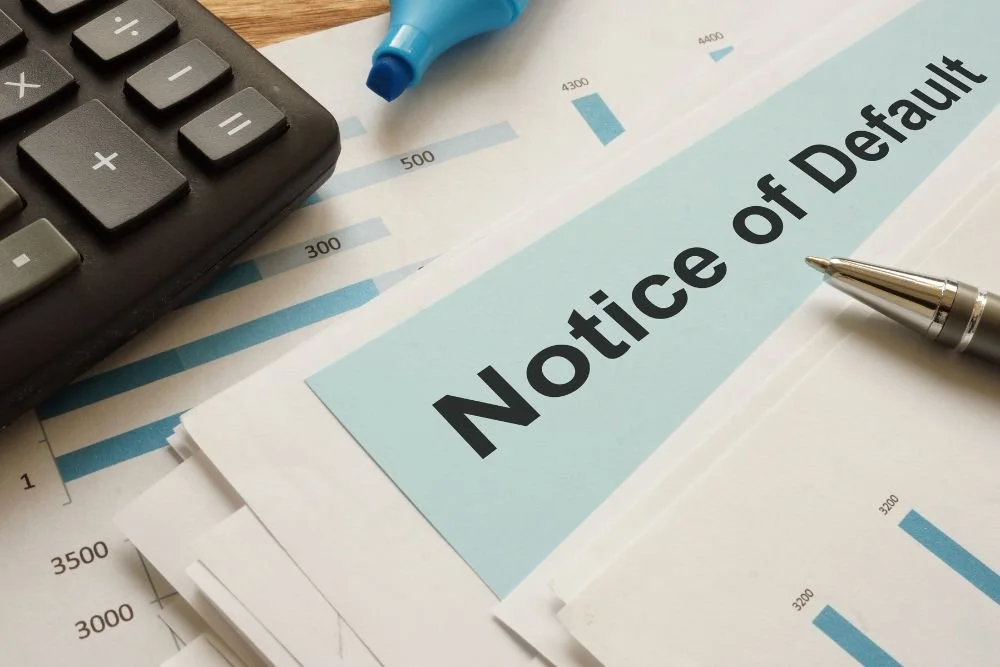
Receiving a Notice of Default on your Florida home is an alarming experience for anyone. This official document from your lender indicates that you have fallen behind on your mortgage payments and are at risk of foreclosure.
While it’s a serious situation, it is not the end of the road. Understanding what this notice means and taking swift action can help you protect your home and financial future. Keep reading to understand what to do after receiving a Notice of Default on your house and how to protect your future.
Understanding a Notice of Default
A Notice of Default is the first formal step in the foreclosure process. Lenders in Florida send this notice after borrowers miss several mortgage payments. It serves as a warning that borrowers must address the overdue balance within a specific timeframe, or the lender will proceed with foreclosure on the property. This is your opportunity to take control of the situation before it escalates further.
Immediate Steps to Take
The first thing to do after receiving a Notice of Default on your house is to contact your lender as soon as possible. Ignoring their communications will only worsen the situation. Many lenders are open to discussing potential solutions with borrowers who are proactive and transparent about their financial difficulties. Open communication can reveal options you might not have known were available.
Next, carefully review your original loan documents. These papers contain critical details about your mortgage terms, including clauses related to default and foreclosure. Understanding your contractual obligations and rights is fundamental to navigating this process effectively.
Exploring Your Options
While it may seem dire, there are still ways to avoid foreclosure on your house after receiving a Notice of Default. One potential solution is a loan modification. This involves permanently changing the terms of your original loan to make your monthly payments more manageable. A lender might agree to lower your interest rate, extend the loan term, or add the missed payments to your loan balance.
Another avenue to consider is refinancing. If you have sufficient equity in your home and a stable credit history, you might qualify for a new loan with better terms. This new loan would pay off your existing mortgage, allowing you to start fresh with a more affordable payment schedule.
Seeking Expert Advice
Navigating a Notice of Default and the legal complexities of the foreclosure process is difficult for many, but you don’t have to do it alone. Consulting with a real estate attorney can provide you with legal clarity and protection. An attorney can review your case, explain your rights under Florida law, and represent you in negotiations with your lender.
You may also benefit from speaking with a financial advisor. A professional can help you assess your overall financial health, create a realistic budget, and develop a long-term strategy to regain stability.
A Path Forward
Receiving a Notice of Default is a critical moment that requires immediate attention. By contacting your lender, understanding your options, and seeking professional guidance, you can create a clear path forward. The key is to act decisively to protect your home and work toward a favorable resolution.