How Home Renovations Can Increase Your Radon Risk

Home renovations provide the perfect opportunity to enhance both the comfort and value of a property. From updating kitchens to finishing basements, these projects promise a more functional and beautiful living space. Yet, as exciting as home improvement can be, it’s important to understand that renovations may uncover hidden risks, particularly involving radon exposure.
Understanding how home renovations can increase your radon risk might not be at the forefront of your mind when planning upgrades, but it’s an essential consideration for safeguarding your health.
What You Should Know About Radon
Radon is a colorless and odorless gas that forms naturally in soil as uranium breaks down. Long-term radon exposure is the second leading cause of lung cancer, and it’s responsible for thousands of deaths annually.
Homeowners in areas known for their high radon levels face an increased risk. Because radon can seep into homes undetected, many homeowners remain unaware of its presence until testing is conducted.
How Home Renovation Projects Can Increase Radon Levels
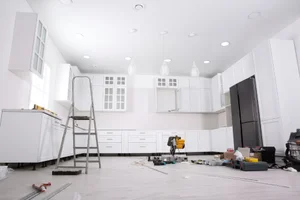
Renovations can disrupt your home’s natural defenses against radon. When you remodel crawl spaces, finish a basement, or dig into the foundation, you may unknowingly damage barriers that help block radon. These changes create new gaps and cracks, which are some of the most common ways radon gas enters your home.
Installing a new HVAC system or adding larger windows can also shift the way air flows through your home. These adjustments often create negative pressure, which can draw radon up from the soil and into your living spaces. Even routine updates to plumbing or electrical systems can open new pathways underground, increasing the risk of radon intrusion without you realizing it.
Minimizing Risk Before and After Renovation
Testing for radon should be a top priority before breaking ground on any renovation project and again once the work is complete. Early testing helps identify existing radon concerns, while post-renovation testing ensures that structural changes haven’t increased the risk. Skipping this step could leave your home vulnerable to elevated radon levels that go undetected for months or years.
If testing reveals high concentrations, installing a radon mitigation system can provide significant peace of mind. These systems actively draw radon from beneath your home and vent it safely outside, keeping the air inside safer to breathe. You can often incorporate mitigation systems into your renovation plans without major delays or disruptions.
Every home improvement project aims to enhance your quality of life, but overlooking radon testing can put that at risk. By incorporating radon evaluations and mitigation into your renovation plans, you can ensure a safer and healthier living environment for years to come. Taking the time to address how home renovations can increase your radon risk is a small but vital step toward protecting what matters most.