7 Warning Signs It’s Time To Resurface Your Pool
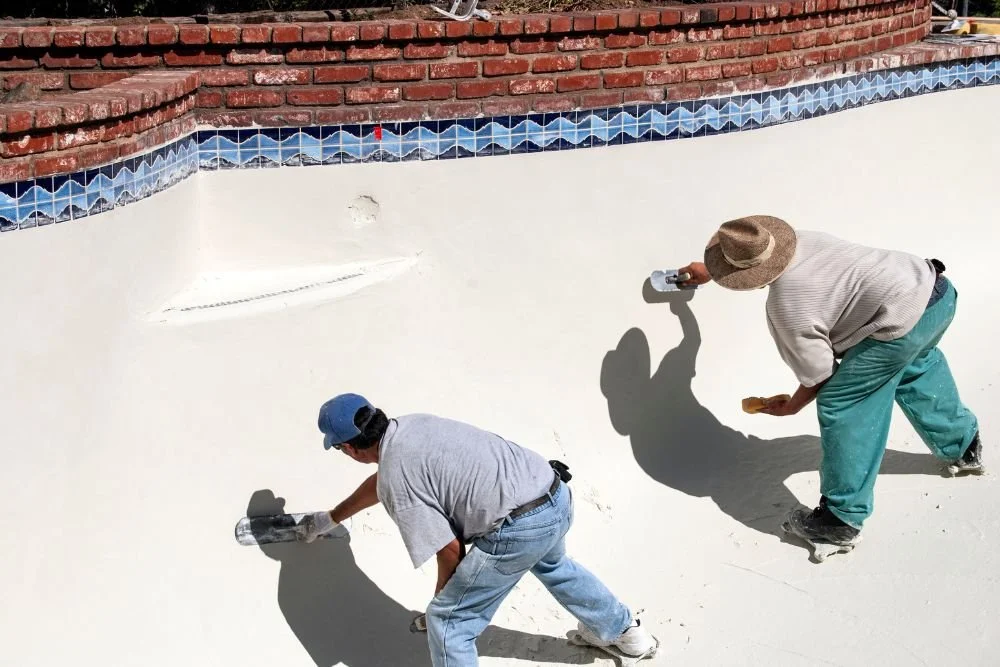
A swimming pool is a summer staple, providing a private oasis for relaxation and fun. However, like any major investment, it requires regular maintenance. Over time, weather, chemicals, and frequent use will inevitably wear down the interior finish. Learning to spot the early warning signs it’s time to resurface your pool can prevent costly structural repairs and keep your pool safe for years to come.
Cracks in the Pool Surface
One of the most obvious indicators of trouble is the appearance of cracks. While tiny "spiderweb" cracks might initially appear to be superficial cosmetic issues, they can quickly evolve into larger problems. Deep fissures often indicate structural issues that could lead to significant water loss. Address growing or deepening cracks before they compromise the integrity of the pool shell.
Stains and Discoloration
It is normal for pool surfaces to pick up a little discoloration over time, but persistent staining is a red flag. These stains can result from chemical imbalances, algae growth, or mineral deposits like copper and iron. If you have scrubbed and treated the surface but the discoloration remains, the plaster has likely become too porous to clean effectively, indicating the need for a new surface.
Rough or Uneven Texture
A deteriorating pool surface often feels rough to the touch, like sandpaper. As the protective coating wears away, the aggregate materials beneath become exposed. This can cause scrapes on swimmers' feet and snag swimsuits. The pool resurfacing process will smooth out these rough patches, restoring a comfortable and safe swimming environment for your family.
Leaks and Water Loss
Evaporation and splashing cause some water loss, but a significant drop in water level often points to a leak. If the interior finish is damaged, water can seep through the shell and into the surrounding ground. This wastes water and increases your utility bills, and it can also erode the soil supporting your pool's structure.
Age of the Pool Surface
Nothing lasts forever, and pool finishes are no exception. Standard white plaster typically lasts about ten years, while exposed pebble finishes may last closer to twenty. If your pool is approaching or has surpassed these benchmarks, the materials are likely degrading naturally. Even if the damage isn't visible yet, proactive resurfacing can prevent sudden failure.
Popping or Hollow Sounds
If you tap on the side of your pool and hear a hollow sound, or if you see tiles popping off, you are likely dealing with delamination. This occurs when the pool finish separates from the underlying concrete shell. This separation creates unstable areas that can crack and crumble, necessitating immediate repair work.
Difficulty Maintaining Chemical Balance
When a pool surface becomes pitted and worn, it creates tiny hiding spots for algae and bacteria that are difficult to reach with standard cleaning tools. Consequently, you may find yourself using excessive amounts of chemicals to keep the water clear. If you are constantly battling to balance pH levels and chlorine, the surface itself is likely the culprit.
Protect Your Investment
Keeping your swimming area pristine ensures it remains a safe retreat for everyone to enjoy. If you have spotted any of these warning signs it’s time to resurface your pool, do not wait for the damage to worsen. Contact a local pool professional today to assess your needs and restore your backyard oasis to its former glory.