The Homeowner’s Guide To Storm Preparedness and Recovery
Living in an area prone to severe weather requires vigilance and a solid plan to protect your property. Storms arrive with little warning, making advance preparation critical for your family's safety and your home's integrity. This homeowner's guide to storm preparedness and recovery offers a clear path through the chaos of storm season. By taking steps now, you can minimize damage and reduce stress when bad weather inevitably strikes.
Fortifying Your Home’s Exterior
Inspect your roof and windows thoroughly before the storm season officially begins. Loose shingles, weak latches, or unsecured siding become major projectiles when high winds start howling. Addressing these small repairs early prevents them from turning into costly structural failures during a hurricane or severe thunderstorm.
Install storm shutters or cut plywood to fit your windows to create a strong barrier against debris. This simple physical shield prevents dangerous winds from shattering glass and pressurizing your home's interior. Store these materials in an accessible spot so you can deploy them quickly when the local weather forecasters issue a storm watch.
Stocking Your Emergency Supplies
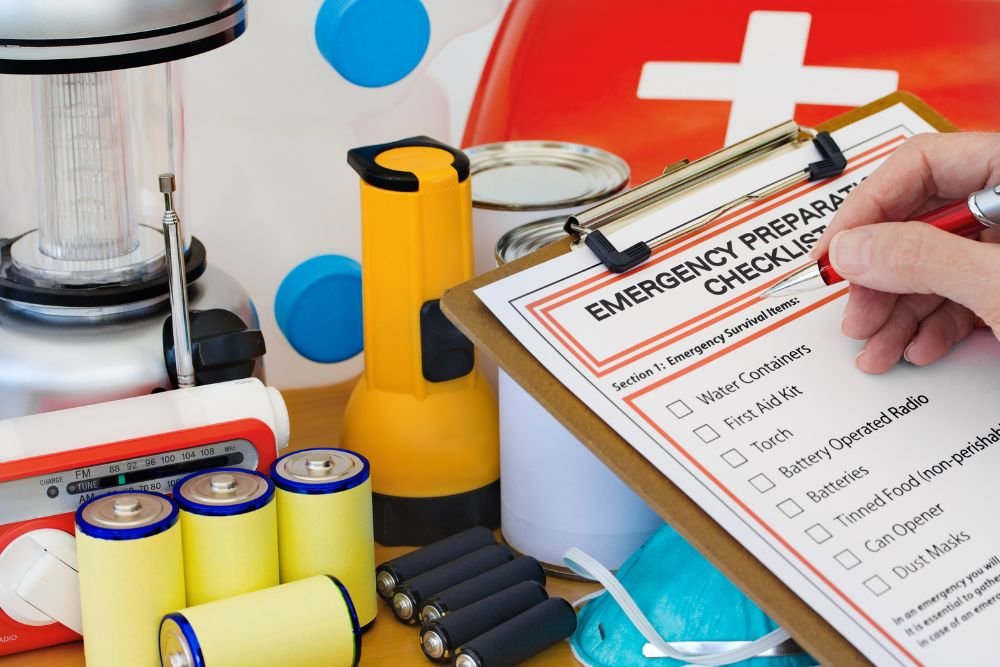
Gather enough non-perishable food and water to last at least three days for every family member and pet. Store these items in a cool, dry place that everyone can access easily if the power goes out. Rotate your stock periodically to check expiration dates and keep everything fresh for when you truly need it.
Include ample batteries, high-quality flashlights, and a comprehensive first-aid kit in your emergency stash. Having a manual can opener and a battery-powered weather radio keeps you fed and informed when utilities fail. Keep a backup supply of necessary prescription medications on hand to avoid gaps in health care during store closures.
Assessing Safety After the Storm Passes
Wait for official clearance from local authorities before you venture outside to inspect your property. Downed power lines, hidden floodwaters, and unstable tree limbs pose serious risks even after the rain stops, and your safety takes priority over property assessment, so stay inside until the danger passes.
Walk through your home carefully to check for gas leaks, water intrusion, or new structural cracks. If you smell gas or see electrical sparks, leave the premises immediately and call for professional help from a safe location. Document any visible damage with photos to streamline the insurance claims process.
Restoring Your Outdoor Living Spaces
Remove small debris from your driveway and walkways first to create safe paths for contractors or emergency personnel. Clear your gutters of leaves and muck immediately to prevent water from backing up and damaging your foundation. Wearing sturdy gloves and boots protects you from sharp objects hidden in the mud.
Take your time when handling heavy branches or putting scattered lawn furniture back in place. While cleaning up a yard after a storm requires physical effort, it also restores curb appeal to your property. Tackle the work in stages to avoid exhaustion and injury during the cleanup phase.
Take Action for a Safer Home
Review your emergency plan annually to keep your household ready for whatever nature brings. Following the homeowner's guide to storm preparedness and recovery protects your family and your biggest financial investment.