Hidden Costs of Installing Rooftop HVAC Systems
Hello, World!
Rooftop HVAC systems offer space-saving benefits and clean aesthetics for residential and commercial properties. Many property owners focus on upfront equipment and installation costs when planning these systems.
However, there are several hidden costs of installing rooftop HVAC systems that can quickly increase the total investment. Understanding these expenses helps buyers make smarter decisions that protect long-term property value.
Structural Reinforcement Requirements
Roof strength plays a major role in the success of HVAC installations. Many buildings require reinforcement to support the added weight of HVAC units. Contractors often need to upgrade beams, decking, or supports before installation begins. These upgrades can significantly raise the total project cost beyond initial estimates.
Access and Equipment Logistics
Transporting HVAC units to the roof requires careful planning and specialized equipment. Cranes often handle the lift, which adds rental and labor expenses to the project. Property owners must also consider permits, safety measures, and scheduling constraints.
Proper communication with your renovation team, including knowing questions to ask your crane operator before an HVAC lift, helps avoid costly delays and surprises.
Ongoing Maintenance Challenges
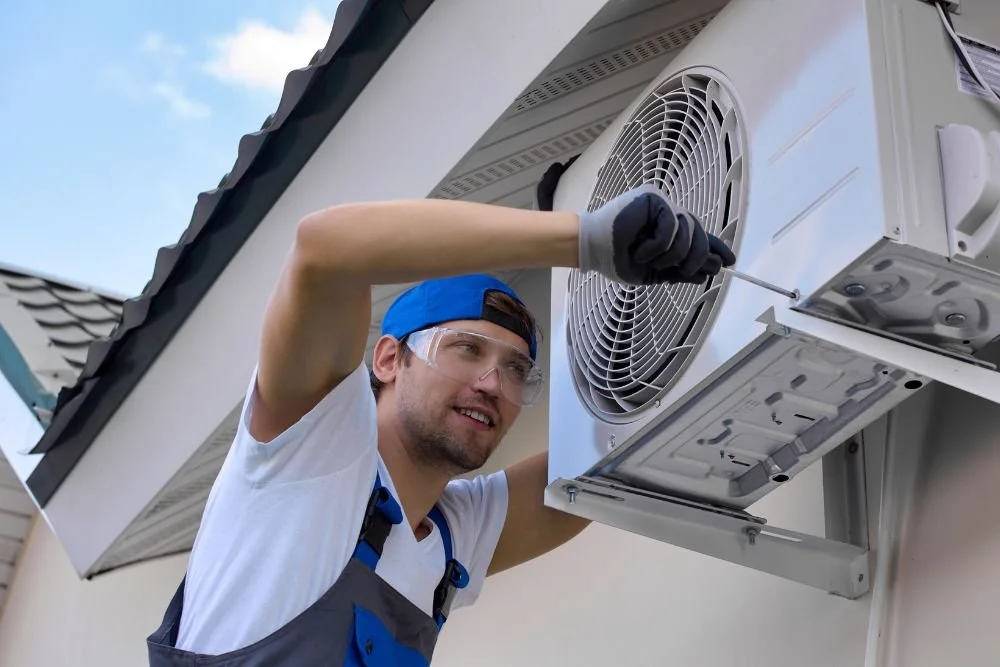
Rooftop systems often increase maintenance complexity compared to ground-level units. Technicians need additional time and safety equipment to access rooftop installations. Weather exposure also accelerates wear and tear on critical components. These factors lead to higher service costs over the system’s lifespan.
Energy Efficiency and Heat Exposure
Rooftop HVAC units face direct sunlight and extreme weather conditions. Heat exposure forces systems to work harder, which increases energy consumption. Property owners may need to invest in reflective coatings or protective barriers to improve efficiency. These adjustments add to both upfront and long-term costs.
Hidden Installation and Compliance Fees
Permits and inspections often create unexpected expenses during rooftop HVAC projects. Local regulations may require specific safety features, noise controls, or zoning compliance measures.
Contractors may also charge additional fees for complex roof layouts or restricted access areas. These factors can push the total installation cost well beyond the initial quote, leaving real estate agents and property owners far beyond their budgets.
Common Hidden Costs to Expect
Property owners should prepare for several often-overlooked expenses when planning rooftop HVAC installations. These costs may vary depending on building type, location, and system size. Careful budgeting reduces financial surprises and keeps projects on track. Consider the following hidden costs:
Structural reinforcements for roof support
Crane rentals and specialized lifting equipment
Permit fees and inspection requirements
Increased labor for installation and maintenance
Energy efficiency upgrades or protective coatings
Impact on Property Value and Equity
Hidden HVAC costs can affect overall property value and return on investment. Buyers and investors often evaluate long-term operational expenses when assessing a property. Higher maintenance and energy costs may reduce perceived value in competitive markets. Smart planning helps property owners protect equity and maintain strong resale potential.
Planning for a Smarter Investment
Avoiding the hidden expenses of installing rooftop HVAC units requires more than selecting the right equipment. Property owners must account for structural, logistical, and operational expenses early in the process. With the right approach, buyers can manage hidden costs while still enjoying the benefits of rooftop systems.