How You Can Make Sure Your Home’s Foundation Is Safe
Hello, World!
Your home relies on a strong foundation for safety, comfort, and long term value. Small issues can grow fast when you ignore early warning signs, so you need to stay proactive and informed. With a few practical checks and consistent maintenance habits, you can protect your investment and avoid expensive repairs.
Inspect Your Foundation Regularly
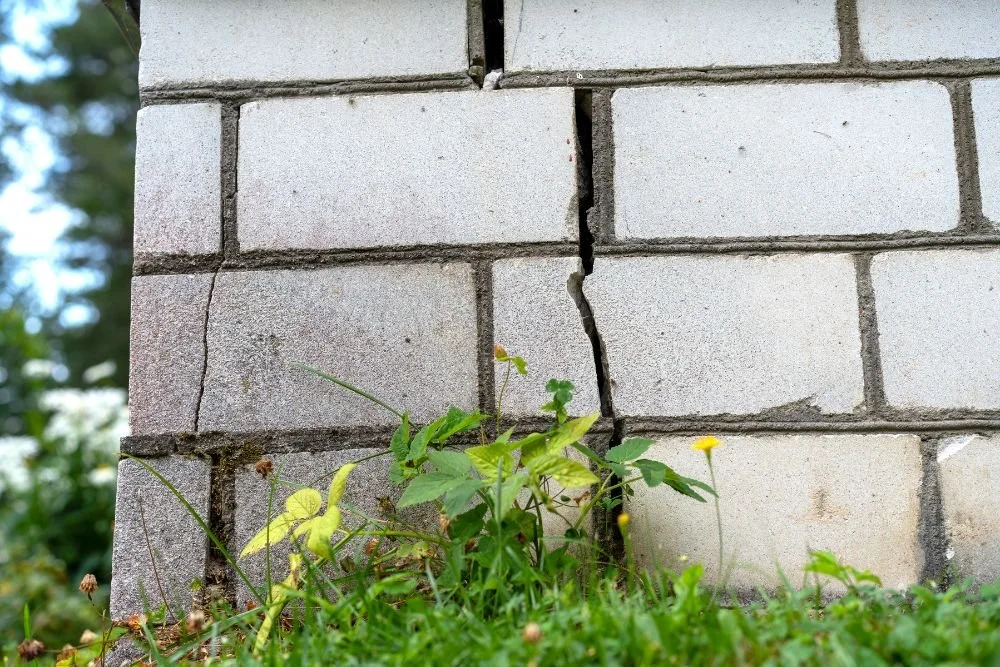
Start with a visual inspection around your home at least twice a year. Look for cracks, uneven surfaces, and gaps along walls or floors. Walk the perimeter and check for soil movement or pooling water near the base. Early detection helps you address problems before they become serious.
Watch for Warning Signs Inside
Interior clues often reveal foundation stress. Pay attention to doors that stick, windows that will not close properly, and visible cracks in drywall. You should also notice sloping floors or separation between walls and ceilings. These signals indicate shifting that needs quick action.
Control Water Around Your Home
Water causes many foundation problems, so you must manage drainage carefully. Keep gutters clean and direct downspouts away from the structure. Grade the soil so it slopes away from your home, and avoid overwatering plants near the foundation. Proper water control reduces pressure and prevents cracks from forming.
Repair Minor Damage Quickly
When you find small cracks, you should fix them right away. Clean the area, remove loose debris, and apply a concrete patching compound to seal the gap. This simple step stops moisture intrusion and keeps damage from spreading. Quick repairs save money and extend the life of your foundation.
Adopt Smart Maintenance Habits
Consistent habits help you avoid major issues. Focus on routine tasks that support stability and reduce stress on the structure. Consider these actions:
Check gutters and downspouts after storms
Monitor soil moisture during dry and wet seasons
Trim roots that grow too close to the foundation
Schedule professional inspections every few years
These steps keep conditions stable and help you respond quickly when something changes.
Know When to Call a Professional
Some problems require expert support. Large cracks, major settling, or persistent water issues demand a professional assessment. A qualified contractor can diagnose the cause and recommend the right solution. Early consultation prevents costly structural damage and gives you peace of mind.
Maintain Consistent Soil Conditions
Shifting soil places stress on your foundation, so you need to keep conditions consistent throughout the year. During dry periods, water the soil lightly to prevent shrinkage, and during wet periods, ensure proper drainage to avoid saturation. Avoid sudden changes in moisture levels because they can cause expansion and contraction that leads to cracks.
Keep Trees and Landscaping in Check
Landscaping choices affect your foundation more than you might expect. Plant trees at a safe distance so roots do not disturb the soil near your home. Choose smaller plants near the structure and maintain regular pruning. Smart landscaping reduces risk and supports long term stability.
Stay consistent with these habits to avoid repairs and preserve your home's value over time. Your home’s foundation is a very important part of its overall value and health. Make sure you keep an eye on it, and you won’t have any nasty surprises down the line.