How To Improve Indoor Air Quality in a Commercial Building
Hello, World!
Indoor air affects how people feel, work, and interact with a space. In a commercial building, poor air quality can create discomfort, trigger headaches, increase fatigue, and make the environment feel stale or neglected. Property owners, managers, and tenants all benefit when a building supports clean, healthy air. Below, we explain how to improve indoor air quality (IAQ) in a commercial building.
Regulations Regarding IAQ in Commercial Settings
Before making upgrades, commercial building owners must understand the regulations and performance standards that shape indoor air quality. That foundation helps them identify what the building must meet, where current conditions fall short, and which improvements will have the greatest impact.
Without that baseline, owners can spend money on system changes that do not address the real issue or support compliance goals. Reviewing recognized benchmarks and technical guidance, including IAQ specifications for commercial buildings, gives owners a clearer way to evaluate ventilation, filtration, humidity control, and ongoing maintenance before creating an improvement plan.
Start With Ventilation
Ventilation plays a central role in air quality. A commercial building needs steady air exchange so indoor pollutants do not build up. When fresh outdoor air moves through the building in the right amount, it reduces dust, odors, carbon dioxide, and airborne contaminants.
Building operators should inspect vents, air intakes, and exhaust systems to make sure they work as intended. Blocked or poorly maintained ventilation pathways can limit airflow and weaken the entire system.
Check HVAC Performance
The HVAC system does more than heat and cool a building. It also helps manage airflow, filtration, and humidity. If the system runs inefficiently, indoor air quality can decline quickly. Routine maintenance matters. Dirty coils, clogged filters, and neglected ductwork can circulate particles instead of removing them.
Control Moisture and Humidity
If you want to improve indoor air quality in a commercial building, you must control the moisture and humidity of the space. Excess humidity can support mold growth, damage materials, and make indoor spaces feel uncomfortable. You should always immediately repair any leaks around roofs, plumbing, windows, or HVAC components. A small water issue can spread into insulation, drywall, or flooring and create larger indoor air problems.
Humidity levels should stay in a moderate range to support comfort and reduce microbial growth. Dehumidification may be necessary in some climates or during certain seasons. In places with strong heat and humidity, moisture control should be part of regular building management rather than a one-time fix.
Reduce Indoor Pollutants at the Source
Commercial buildings contain many pollution sources, including cleaning products, office equipment, flooring materials, and furnishings. Managers can improve indoor air quality in commercial buildings by choosing low-emission products and storing chemicals properly.
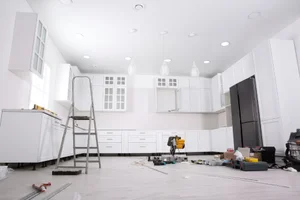
Renovation work also deserves attention. Paint, adhesives, and new finishes can release compounds that affect indoor air. Scheduling work during off-hours and increasing ventilation during and after projects can reduce the impact on occupants.
Build Air Quality into Routine Operations
Strong indoor air quality does not come from a single upgrade. It comes from regular inspections, responsive maintenance, and informed decisions about building systems and materials. When commercial properties treat air quality as part of daily operations, they create spaces that feel cleaner, safer, and more comfortable for everyone inside.