How Buying a Home Near a Water Treatment Plant Affects Cost
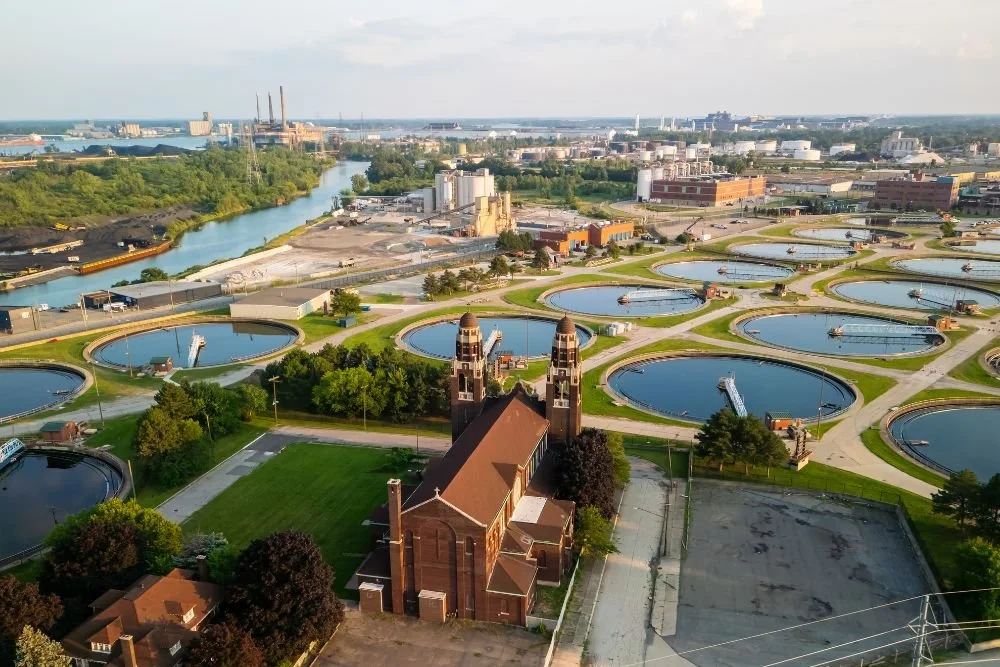
Buying near utility infrastructure requires more than a quick price comparison. A home near a water treatment plant can offer value for budget-focused buyers, yet the location can also create questions about resale demand.
Cost depends on distance, visibility, odors, traffic, noise, and local market perception. Real estate professionals should help buyers separate confirmed property concerns from assumptions. To ensure you don’t miss any opportunities, learn how buying a home near a water treatment plant affects costs and other factors.
Why Location Affects Value
A water treatment plant can influence buyer interest because nearby infrastructure changes how people view the surrounding area. Some buyers worry about odor or truck activity, while others focus on price and access to services.
Sellers may price a property lower when the plant sits close to the lot line. A lower list price can create an entry point for buyers who want more space or a better location within a school district.
What Buyers Should Evaluate
The biggest cost factor usually comes from perceived risk. A home may show no physical issue, but buyer hesitation can still reduce demand. Buyers should review several location details before comparing prices:
- Distance from the plant
- Prevailing wind direction
- Odor history
- Traffic routes
- Noise levels
- Future expansion plans
A visit at different times can reveal conditions that one showing may miss. Morning traffic, warm weather, and maintenance activity can all change the experience.
How Resale Value May Change
Resale value depends on how future buyers judge the same location. A discount at purchase can help upfront affordability, but a smaller buyer pool can affect future negotiation power.
Comparable sales carry extra importance in this situation. Real estate professionals should review homes with similar proximity to infrastructure instead of relying only on broader neighborhood averages.
Inspection and Due Diligence Costs
Buyers may spend more on inspections before closing. A general inspection helps, but environmental review or water quality testing may also make sense.
Local records can show complaints, violations, expansion permits, or odor control upgrades. Water system safety depends on many facility practices. For example, treatment and storage teams may test tank liners according to FDA standards as part of material review for potable water storage.
Financing and Insurance Considerations
Most lenders focus on property condition, appraised value, and marketability. A nearby plant may not block financing, but an appraiser can note external influences.
Insurance costs usually depend on property condition and risk history. Buyers should still ask insurers whether proximity to industrial or municipal infrastructure affects coverage.
How to Weigh the Tradeoff
Now that you know how proximity to a water treatment plant can affect housing costs, the decision is up to you. A meaningful discount may justify the location for buyers who expect a long hold period.
Real estate professionals can add value by documenting market data and known site conditions. Clear due diligence helps buyers understand whether the lower price reflects a manageable concern or a lasting resale challenge.
South Florida Home-Buying Resources
Evaluating a South Florida Property?
The price of a home is only one part of the decision. Location, nearby infrastructure, comparable sales, future marketability and due diligence can all affect whether a property is a good fit.
Contact The Home Owners Listing Team View Current ListingsFrequently Asked Questions
Does living near a water treatment plant reduce home value?
It can affect value when buyers are concerned about distance, visibility, odors, traffic, noise or future expansion. The effect varies by property, facility and local market perception.
What should buyers check before purchasing near a water treatment plant?
Buyers should evaluate distance, prevailing wind direction, odor history, traffic routes, noise levels, future expansion plans, comparable sales and local complaint or permit records.
Can a nearby water treatment plant prevent mortgage approval?
A nearby plant may not automatically prevent financing, but an appraiser may identify it as an external influence when evaluating marketability and appraised value.
Should buyers order additional inspections?
A standard home inspection is helpful. Depending on the property and location, buyers may also consider environmental review, water quality testing and a review of public complaints, permits or violations.
Can a lower purchase price offset the location concern?
A meaningful discount may make the property worthwhile for buyers who plan to hold it long term, but they should also consider the possibility of a smaller future buyer pool.