How To Know When You Need To Replace Your Home’s Roof
Understand when your roof needs replacing, how weather and age affect its condition, and what to consider before investing in a full roof replacement.
View Listings Contact The Home Owners Listing TeamA roof protects more than the rooms beneath it. It helps keep moisture away from structural materials, supports indoor comfort, and influences how buyers view a property. Yet many homeowners don't think about their roof until a leak appears or a storm causes visible damage.
Not every problem calls for a complete replacement. A few damaged shingles might need a simple repair, while widespread deterioration can signal that the roofing system is reaching the end of its useful life. Below, we’ll explain how to know when you need to replace your home’s roof.
Start With Your Roof's Age
Roofing materials wear at different rates. Asphalt shingles commonly last around 20 to 30 years, depending on the product, installation, and weather exposure. Metal, tile, and slate roofs can last considerably longer with proper installation and maintenance.
Those ranges provide context, not a replacement deadline. A relatively young roof may suffer extensive storm damage, while an older roof may remain serviceable.
Find the installation date in your home records, inspection report, or previous owner's paperwork. If you cannot establish its age, ask a qualified roofer to assess its condition rather than relying on appearance alone.
Look for Damage You Can See From the Ground
You can spot several roofing concerns without stepping onto a ladder. Walk around the property and examine the roof from safe vantage points, especially after severe weather.
Missing, Cracked, or Curling Shingles
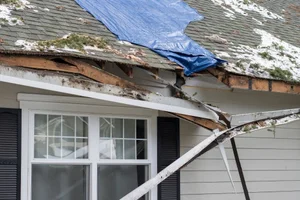
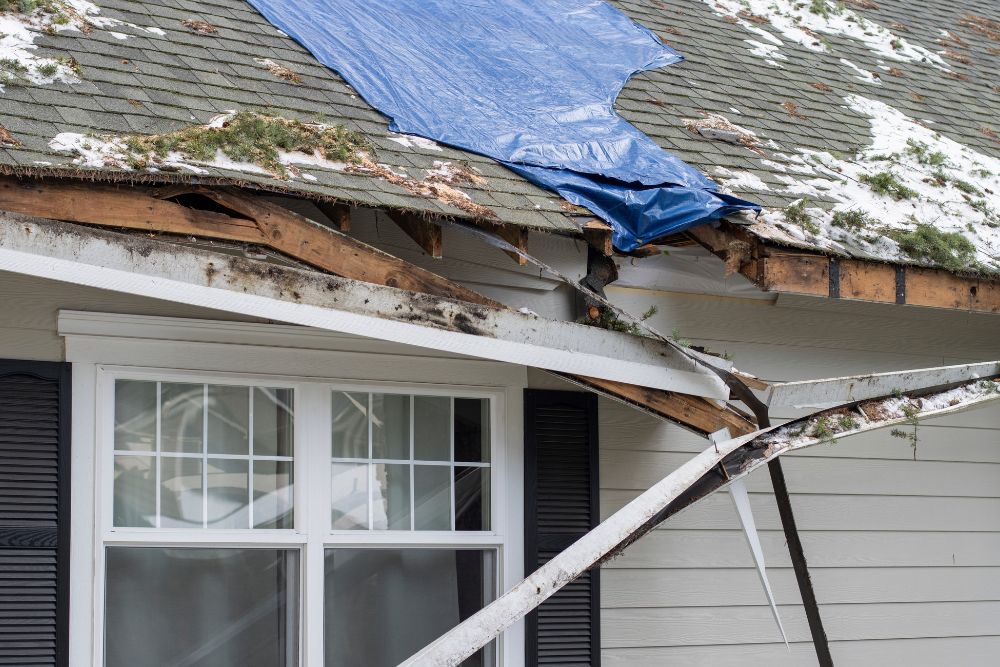
Wind can dislodge shingles and expose the layers beneath them. Sunlight and aging can also make shingles brittle, curled, or cracked. Once materials lift away from the roof surface, wind-driven rain may find a path underneath.
You may be able to repair one area, but similar problems across several slopes suggest that replacing individual shingles might not provide lasting protection.
Granules in Your Gutters
Asphalt shingles have a granular coating that helps protect them from sunlight. Some loose granules are normal, particularly after installation. Heavy accumulation in gutters, paired with visibly bare shingle patches, deserves closer attention.
Granule loss alone doesn't prove that replacement is necessary. A contractor should evaluate it alongside the roof's age and overall condition.
Damaged Flashing
Flashing directs water away from joints around chimneys, vents, skylights, and roof transitions. Loose or corroded flashing can allow leaks even when surrounding shingles look intact.
Because isolated flashing problems may be repairable, identifying the precise source of moisture matters before approving major work.
Pay Attention to Warning Signs Indoors
Another way to know when you need to replace your home’s roof is if you find certain signs indoors. Check ceilings, walls, and attic spaces for changes that may point to water intrusion.
Ceiling Stains and Recurring Leaks
Yellow or brown stains can indicate moisture entering the building. Water may travel along framing before reaching the ceiling, so the visible stain might be far from its source.
Plumbing leaks and condensation can create similar marks. Have a professional identify the cause instead of assuming that every ceiling stain indicates roof failure.
Frequent leaks after previous repairs warrant a more comprehensive assessment. Moisture can damage insulation and wooden components long before the full extent becomes visible.
Attic Moisture and Unusual Odors
Damp insulation, darkened roof decking, or persistent musty smells deserve investigation. Poor ventilation can also contribute to condensation, which means the solution may involve more than replacing shingles.
Take Sagging Seriously
Visible dips or changes in the roofline can indicate weakened decking or structural framing. Prolonged moisture exposure may contribute to these conditions, although a professional must determine the actual cause.
Don't walk on a roof that appears unstable. Contact a contractor or structural specialist for an assessment. Structural concerns require prompt attention, whether the solution involves reinforcement or a larger replacement project.
Account for Weather and Local Conditions
Climate affects roofing materials in different ways. In Florida, intense sunshine, tropical storms, and heavy rainfall can place substantial stress on a roof. Coastal homes may also face salt exposure. In colder regions, snow and ice create different maintenance challenges.
After a severe storm, look for missing materials, fallen branches, and changes around roof edges. Photograph visible damage from a safe location. If you suspect an insurance claim may apply, review your coverage and follow the insurer's reporting process.
Keep gutters clear so rainwater can drain away from vulnerable edges. Drainage maintenance won't fix roofing materials, but it can help prevent avoidable moisture problems.
Decide Between Repairs and Replacement
The right choice depends on the extent of the damage to the roof, whether the underlying materials remain sound, and how long the existing system is likely to last.
When a Repair Makes Sense
Repairs may work well when damage only affects a small area. A roofer might replace several shingles, reseal a vulnerable joint, or correct a flashing problem without disturbing the rest of the roof.
Ask whether compatible replacement materials are available and whether the repair addresses the underlying cause. A low initial price is little comfort if the same leak returns.
When Replacement May Be Worthwhile
Consider a complete replacement when damage affects multiple areas, leaks continue despite repairs, or the roof approaches the end of its service life.
Compare the projected cost of continued maintenance with the benefits of a new system. Also consider how long you expect to own the property.
If replacement looks likely, a practical explanation of what to expect during a full roof replacement can help you understand the inspection, removal of old materials, decking checks, installation, and cleanup.
Get a Thorough Inspection Before Committing
An inspection should go beyond a glance at shingles. Ask the contractor to examine flashing, vulnerable roof transitions, drainage, ventilation, and any evidence of leaks.
Request a written explanation of the findings, including which concerns demand immediate attention. If they recommend replacement, ask why repairs wouldn't provide adequate protection.
Compare detailed quotes from qualified contractors. Confirm local licensing and insurance requirements, and understand what each estimate includes. Decking repairs, disposal, permits, and warranties can affect the final cost.
For major work, ask how the crew will protect landscaping and manage debris. Discuss the schedule, recognizing that weather or hidden damage may change it.
Think About Your Home's Resale Value
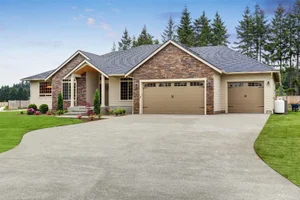
Roof condition can influence a buyer's confidence and the outcome of a home inspection. A visibly deteriorating roof may prompt requests for repairs or price concessions. Insurance and lending requirements may also affect a transaction, depending on the property and provider.
Still, replacing a roof before listing doesn't guarantee that you'll recover the entire expense in the sale price. If you plan to move, discuss the inspection findings with a real estate professional before choosing between a repair and a major investment.
Make the Decision Before Damage Spreads
Recognizing when it’s time to replace your roof gives you time to investigate problems rather than react to an emergency. A missing shingle may need only a modest repair. Recurring leaks or structural damage deserve a closer look.
Inspect your roof safely after significant storms, address moisture promptly, and keep maintenance records. With a reliable assessment, you can make a decision that reflects your home's condition, your budget, and your plans for the property.
Planning to Sell? Discuss Your Roof Before Investing
Connect with Scott Lehr and The Home Owners Listing Team to discuss your South Florida real estate plans.
Contact Scott Lehr Free Home Valuation Explore the BlogExplore Fort Lauderdale homes for sale or browse South Florida communities.
Call (954) 342-6180