Questions To Consider Before Buying Solar Panels
Choosing solar panels is a major investment that can affect your home's energy costs, comfort, and long-term value. Taking time to evaluate every part of the decision helps you avoid expensive surprises while improving your confidence before signing a contract. Many homeowners focus on price first, yet lasting satisfaction usually comes from balancing performance, durability, and professional installation. Understanding the questions to consider before buying solar panels allows you to compare options with greater clarity and select equipment that matches your property.
Assess Your Energy Needs
Start by reviewing how much electricity your household uses throughout the year because that information shapes the size of the system you may need. A smaller home with modest consumption often requires a different solution than a larger property with frequent energy demands. Seasonal changes also influence usage, especially if heating or cooling equipment operates heavily during certain months.
Think about planned lifestyle changes that could increase electricity consumption later, including purchasing an electric vehicle or adding living space. Planning ahead gives your installer a better understanding of future needs while helping you avoid a system that feels undersized after only a few years of ownership.
Evaluate Your Roof
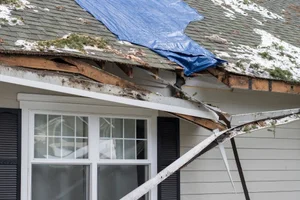
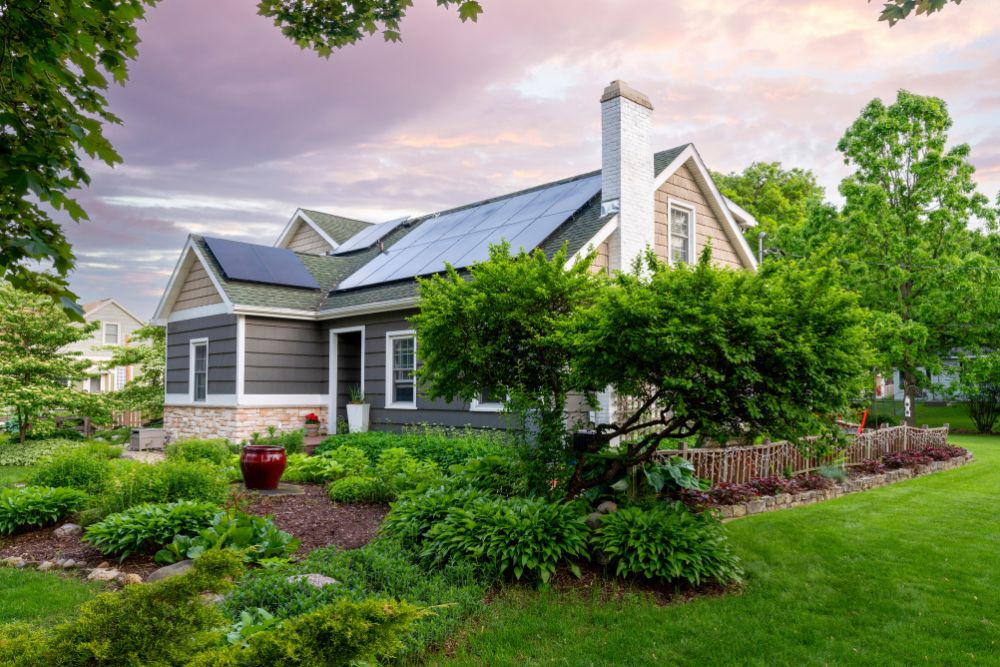
Your roof plays a central role in solar performance because panel placement depends on available space, structural condition, and daily sunlight. An older roof nearing replacement may deserve attention before installation begins because removing panels later adds unnecessary expense.
Consider whether nearby trees, neighboring buildings, or other obstacles create shade during important daylight hours. Even partial shading can reduce overall production if it affects key sections of the system. Ask how the proposed layout addresses your roof's unique characteristics instead of assuming every home receives identical results. Careful planning creates better performance while protecting the integrity of your roofing materials throughout the system's lifespan.
Understand Equipment Quality
Not every solar panel offers the same level of efficiency, durability, or long-term performance. Looking beyond the initial purchase price helps you understand what makes premium solar panels different when comparing available products. Higher-quality materials often provide stronger resistance to weather while maintaining reliable energy production over many years. Warranty coverage also deserves close attention because it reflects the manufacturer's confidence in product performance.
Ask how panels perform under changing temperatures and everyday operating conditions instead of focusing only on ideal laboratory ratings. Quality components frequently support greater reliability, making them an important consideration for homeowners who value dependable long-term operation.
Learn About Maintenance Requirements
Solar panel systems generally require less maintenance than many homeowners expect, but understanding ongoing care remains important before making a purchase. Ask about recommended routine inspections and whether cleaning is necessary based on your local environment. Leaves, dust, pollen, or other debris can affect performance if they accumulate over time. Knowing what level of maintenance your system will require helps you set realistic expectations while protecting your investment throughout its operating life.
Ask About Monitoring and System Performance
Many residential solar systems include built-in monitoring technology that allows you to follow your energy production after installation. Before choosing a system, ask how the system displays performance data and whether you can view it through a mobile app or online portal. Understanding how your system is performing makes it easier to identify potential issues before they become larger problems.
You should also ask how installers respond if production falls below expected levels and whether they include troubleshooting support after installation. A clear monitoring solution gives you greater confidence that your investment continues operating as intended while helping you stay informed about your home's energy generation over time.
Review Financial Expectations
Understanding the complete financial picture prevents confusion after installation. Ask for a clear explanation of equipment costs, installation charges, financing terms, and projected savings based on realistic assumptions. Review payment schedules carefully before agreeing to any contract so you understand your ongoing obligations.
Some homeowners prefer purchasing a system outright, while others choose financing that spreads costs over time. Consider how each option fits your household budget without creating unnecessary pressure. You should also understand warranty responsibilities and possible maintenance expenses because ownership extends well beyond installation day. Clear expectations make financial decisions easier while reducing the chance of unpleasant surprises later.
Choose the Right Installer
The installer influences your overall experience as much as the equipment itself because proper design and careful workmanship affect long-term system performance. Ask about licensing, insurance, training, and experience with homes similar to yours. Request a detailed explanation of the installation process so you know what to expect before work begins.
Communication also matters because responsive professionals answer questions clearly instead of relying on vague promises. Pay attention to how thoroughly each company evaluates your property before recommending a system. An installer who takes time to understand your needs often provides more thoughtful recommendations than someone who presents identical solutions for every customer.
Think About Future Plans
Solar panels remain on a home for many years, so your future plans deserve careful consideration before making a commitment. If you expect to move within a relatively short period, think about how ownership could influence the selling process and buyer interest. Home improvements may also affect energy needs later, making current planning especially valuable.
Consider whether battery storage might become important as your household changes over time. Asking thoughtful questions today creates flexibility for tomorrow while reducing the need for significant adjustments after installation. Looking ahead helps ensure your investment continues supporting your goals as circumstances evolve.
Make a Confident Solar Investment
Buying solar panels should feel like a well-informed decision rather than a rushed purchase driven by limited information. Every home presents different opportunities, making careful evaluation more valuable than quick comparisons based only on price. Taking time to understand your energy usage, roof condition, equipment quality, financial responsibilities, and installer qualifications creates a stronger foundation for lasting satisfaction.
Meaningful conversations with knowledgeable professionals can clarify expectations while helping you identify solutions that genuinely fit your property. When you understand the questions to consider before buying solar panels, you can choose a system that delivers dependable performance and lasting value for many years ahead.
South Florida Real Estate Considerations
Before installing solar panels on a South Florida home, review the contract structure, roof condition, permitting documentation, warranties, insurance implications, financing payoff or transfer terms, and the records a future buyer may request. Solar ownership or financing can affect a later sale, so retain contracts, permits, warranties, monitoring records and proof of payment.
Helpful Real Estate Resources
Frequently Asked Questions
What should I check before buying solar panels?
Review annual electricity use, roof condition, shade, equipment quality, warranties, monitoring, maintenance, total costs, installer qualifications and future plans for the property.
Should I replace my roof before installing solar panels?
If the roof is nearing replacement, addressing it before installation may avoid the later expense of removing and reinstalling the panels.
How should I compare solar installers?
Compare licensing, insurance, training, relevant experience, property evaluation, system design, communication, workmanship, warranties and post-installation support.
Can solar panels affect a future home sale?
They may influence buyer interest and the transaction. Ownership, financing or lease terms, documentation, system condition and transfer requirements should be reviewed before installation and before a sale.
Planning To Sell a Home With Solar Panels?
Get a property-specific real estate review before listing. The Home Owners Listing Team can help you organize the solar documentation buyers may request and position the home's improvements accurately.
Request a Home Valuation Call (954) 342-6180This article provides general educational information, not legal, tax, insurance, lending, engineering, roofing or solar-contract advice. Requirements and financial outcomes vary. Consult appropriately licensed professionals and verify current incentives, permits, utility rules, warranties, insurance terms and contract obligations before making a decision.