Property Owner Guide · South Florida Real Estate
Simple Ways to Protect the Value of Your Real Estate
Protect your real estate value with practical maintenance and smart property improvements. Keep your investment attractive, functional, and future-ready.

Real estate often represents one of the largest financial investments a person will make. Whether you own a primary residence, rental property, or another type of real estate, protecting its value requires consistent attention. Small problems can quickly become expensive when owners overlook them for too long.
Fortunately, maintaining property value does not always require major renovations or a huge budget. Thoughtful maintenance and well-planned improvements can help a property remain attractive and competitive.
The goal is to care for what you already own while making smart decisions about future upgrades. Use these methods to protect your real estate's value and avoid damage or issues.
Stay Consistent With Routine Maintenance
Regular maintenance provides one of the simplest ways to protect real estate value. A property naturally experiences wear from weather, daily activity, moisture, and aging materials. Routine care prevents normal wear from turning into serious damage.
Create a maintenance schedule instead of waiting until something stops working. Check plumbing fixtures for leaks and inspect exterior surfaces throughout the year. These smaller tasks can extend the useful life of important property components.
Maintenance also helps preserve a property's appearance. Peeling paint, damaged trim, or neglected landscaping may seem minor, but buyers quickly notice signs of poor upkeep. Consistent care shows that an owner has taken the property seriously.
Address Small Repairs Before They Grow
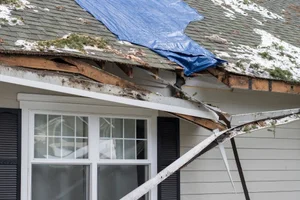
A dripping faucet or tiny roof leak may not feel urgent at first. However, water can cause significant damage when it reaches flooring, walls, framing, or insulation. Acting early usually costs much less than repairing damage after months of neglect.
Property owners should watch for changes rather than waiting for obvious failures. New stains, unusual odors, sticking doors, or unexplained increases in utility bills can signal developing problems. A quick inspection may reveal an issue while the repair remains manageable.
Protect the Property From Water Damage
Water poses one of the biggest threats to a property's condition. Even a small amount of uncontrolled moisture can encourage mold growth, damage finishes, or weaken building materials. Good water management should remain a priority throughout ownership.
Start outside the property. Gutters and downspouts should direct rainwater away from the foundation, while grading should encourage drainage away from the structure. Inspect roofing materials and flashing regularly so rain cannot find an easy path indoors.
Inside, monitor areas around water fixtures and appliances. Replace damaged seals and repair leaks quickly. A relatively inexpensive plumbing repair today can prevent a much larger renovation later.
Choose Improvements With Long-Term Value
Renovations can increase a property's appeal, but owners should choose projects carefully. An expensive improvement does not automatically increase property value by the same amount. Focus on upgrades that improve function, condition, or broad buyer appeal.
Kitchens and bathrooms often receive plenty of attention, but practical improvements throughout the property can matter just as much. Updated lighting, durable finishes, better storage, and energy-conscious upgrades can make everyday living more comfortable without making the home overly personalized.
Quality artistry matters as much as material selection. For example, professional flooring installation matters for longevity because proper preparation and installation help flooring perform as intended. A beautiful material can lose value quickly when poor installation creates gaps, movement, uneven areas, or premature wear.
Maintain Strong Curb Appeal
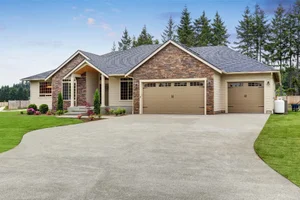
People form opinions about real estate before they ever walk through the front door. A clean, well-maintained exterior builds confidence and can shape how buyers and neighbors see the property as a whole. Fortunately, curb appeal doesn't require constant, expensive landscaping projects.
Keep lawns and planting areas under control. Remove dead vegetation and address overgrown branches before they damage roofing or siding. Cleaning walkways and maintaining exterior lighting can also make the property feel more welcoming.
Pay attention to the building itself. Faded paint, cracked siding, damaged doors, and worn exterior fixtures can make an otherwise solid property look neglected. Periodic exterior updates help maintain a fresh appearance while protecting materials from weather exposure.
Keep Major Systems in Good Condition
A property's major systems play an enormous role in its long-term value. Buyers may appreciate attractive countertops, but they also care about the condition of the roof, electrical system, plumbing, heating equipment, and other expensive components.
Routine professional service can help these systems perform efficiently and may reveal problems before a breakdown occurs. Keep documentation of maintenance and equipment replacements. Service records can help you track the property's history and later demonstrate responsible ownership.
Pay particular attention to these areas:
- Schedule routine HVAC inspections and replace filters as recommended.
- Check the roof after severe weather and address missing or damaged materials.
- Watch for plumbing leaks, slow drains, and changes in water pressure.
- Have electrical concerns evaluated instead of relying on temporary fixes.
- Inspect windows and exterior doors for damaged seals or developing deterioration.
Planning for replacement also helps protect your finances. Major systems rarely last forever, so knowing their approximate age can help you prepare for future costs rather than facing every replacement as an emergency.
Avoid Overpersonalizing Permanent Features
Your real estate should feel like your space, but highly specific permanent changes can sometimes limit future appeal. Buyers have different tastes, and an unusual renovation may make it harder for them to imagine living in the property.
This does not mean every room needs beige walls and basic finishes. Personality works well through furniture, artwork, and other features that owners can easily change. For permanent materials, broader appeal often provides more flexibility when selling becomes a possibility.
Consider how easily someone could update a design choice before committing. A bold paint color takes relatively little effort to change, while unusual tile or custom built-ins may require significant work. That distinction can guide smarter renovation decisions.
Keep Good Records of Property Improvements
Documentation often receives less attention than physical maintenance, yet good records can prove valuable. Keep receipts, warranties, inspection reports, permits, and service records connected to significant property work. Organizing this information makes future decisions easier.
Records can help you remember when equipment needs service or when a major component reached a certain age. They can also give contractors useful information when you plan future improvements. Instead of guessing about previous work, you have a clearer property history.
Detailed documentation may also help during a future sale. Buyers often feel more confident when owners can provide evidence of maintenance and improvements. Clear records support the story that you cared for the property, rather than simply making cosmetic changes before listing it.
Think About Value Before Problems Appear
Protecting real estate value works best as an ongoing process, not a last-minute project before selling. Regular maintenance and early repairs can preserve the property's condition while reducing the risk of major surprises. When you treat maintenance as part of ownership rather than an inconvenience, you gain more control over costs and property condition.
Real estate value depends on many factors that owners cannot control, including market conditions and neighborhood trends. However, you can control how well you care for the property itself. Consistent attention gives your investment a stronger foundation for maintaining its value over the years.
Continue Your Property Research
Explore local housing options and useful information for your next move:
- Fort Lauderdale homes for sale
- Weston homes for sale
- Pembroke Pines homes for sale
- Guidance for South Florida sellers
- More articles from The Home Owners Listing Team
- South Florida home maintenance schedule
For moisture prevention guidance, see the U.S. Environmental Protection Agency's guide to mold and moisture.
Frequently Asked Questions
What is the simplest way to protect property value?
Create a routine maintenance schedule, address small repairs early, and keep records of completed work. These steps help protect a property’s condition over time.
Why is water damage a priority for homeowners?
Uncontrolled moisture can damage finishes and building materials. Check roofs, gutters, drainage, plumbing, seals, and appliances regularly, and repair leaks promptly.
Do expensive renovations always raise a home’s value?
No. The cost of an improvement does not guarantee an equal increase in property value. Prioritize sound installation, useful upgrades, durable materials, and broad buyer appeal.
Which home systems deserve regular attention?
Monitor the roof, HVAC equipment, electrical system, plumbing, windows, and exterior doors. Keep service records and plan ahead for eventual replacements.
Make Your Next Move With Confidence
Scott Lehr and The Home Owners Listing Team can help you understand your property's position in the South Florida market and plan your next step.
Explore Selling Resources Call (954) 342-6180About Scott Lehr
Scott Lehr, PA, works with The Home Owners Listing Team to support buyers and sellers across Broward, Miami-Dade, and Palm Beach counties. Learn more about Scott Lehr.
This article offers general educational information. Maintenance needs, renovation costs, and market value vary by property and location. Consult qualified contractors and other licensed professionals for property-specific guidance; a particular improvement does not guarantee a return or sale price.