Hazards To Know About Before Purchasing an Older Home
Older homes have character that newer builds often can’t match. Original woodwork, mature landscaping, unique layouts, and established neighborhoods can make an older property feel warm from the first walkthrough. Still, charm shouldn’t distract you from hidden issues that could affect safety, comfort, and renovation costs.
Before you make an offer, you need to know the hazards you could encounter when purchasing an older home. A careful inspection can help you understand what the home needs now, what may cost more later, and which hazards deserve immediate attention.
For buyers comparing homes in Fort Lauderdale, Weston, Pembroke Pines, Hollywood, Davie, and Coral Springs, understanding older-home risks can help you make a more informed offer and avoid costly surprises.
Aging Electrical Systems
Older homes may have outdated wiring, undersized panels, or too few outlets to support modern appliances and devices. Knob-and-tube wiring, aluminum wiring, and overloaded circuits can pose safety risks and limit your renovation options.
Pay close attention to flickering lights, warm outlets, frequent breaker trips, and extension cords used as permanent solutions. A licensed electrician can tell you whether the system needs repairs, upgrades, or a full replacement.
Electrical Warning Signs To Watch For
- Flickering lights
- Warm outlets or switches
- Frequent breaker trips
- Too few outlets for modern use
- Extension cords used permanently
- Outdated wiring or panels
Lead Paint Concerns
Many older homes contain lead-based paint, especially around windows, doors, trim, and stair rails. Peeling or chipping paint can create dust that spreads through living spaces during normal use or remodeling.
If you plan to renovate, test painted surfaces before sanding, scraping, or demolition. Safe removal requires the right containment, cleanup, and protective equipment. A rushed DIY project can turn a manageable issue into a household-wide problem.
Common Lead Paint Risk Areas
- Window frames
- Doors and door trim
- Stair rails
- Baseboards
- Painted cabinetry
- Old exterior surfaces
Asbestos Materials
Builders used asbestos in many older materials, including floor tiles, insulation, siding, ceiling texture, and pipe wrap. Asbestos can become dangerous when cutting, drilling, or demolishing, which releases fibers into the air.
Don’t assume old materials are safe because they look solid. If you suspect asbestos, bring in a qualified professional before you disturb the area. Proper testing gives you clear next steps and helps you plan repairs safely.
Places Asbestos May Be Found
- Old floor tiles
- Pipe wrap
- Insulation
- Siding materials
- Ceiling texture
- Older construction adhesives
Radon Risks
Radon can enter through cracks in foundations, crawl spaces, sump pits, and gaps around pipes. You can’t see or smell it, so testing plays a key role during the buying process.
If you plan updates after closing, ask your contractor about a radon-safe home remodel before work begins. Foundation repairs, basement finishing, and crawl space upgrades create a good opportunity to add mitigation features or improve an existing system.
Radon Entry Points To Understand
- Foundation cracks
- Crawl spaces
- Sump pits
- Pipe gaps
- Basement openings
- Slab penetrations
Plumbing Problems
Old plumbing can hide behind clean walls and attractive fixtures. Galvanized pipes may corrode from the inside, cast iron drains can crack, and outdated supply lines may reduce water pressure.
Look for slow drains, stained ceilings, uneven water flow, and damp areas near sinks or tubs. A sewer scope can also reveal root intrusion, pipe collapse, or blockages before those problems turn into major repairs.
Plumbing Red Flags in Older Homes
- Slow drains
- Stained ceilings
- Uneven water pressure
- Damp areas near sinks or tubs
- Galvanized supply lines
- Cast iron drain concerns
If you are comparing inspection concerns, you may also want to review our guide on what can ruin a sale during a home inspection.
Foundation and Moisture Issues
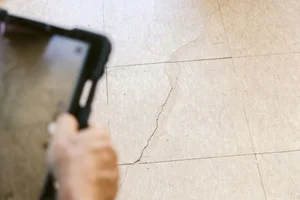
Cracks, sloping floors, musty smells, and water stains can point to foundation movement or moisture problems. Older homes often need better drainage, updated gutters, or crawl space improvements.
Don’t dismiss basement dampness as normal. Water can damage framing, flooring, and stored belongings. It can also make future renovations more expensive if crews need to fix hidden damage first.
Foundation and Moisture Warning Signs
- Cracks in walls or floors
- Sloping floors
- Musty smells
- Water stains
- Basement dampness
- Poor drainage around the home
Buy With Clear Eyes
An older home can become a wonderful place to live, but you need a clear picture before you commit. Schedule thorough inspections, ask direct questions, and budget for repairs that protect the home’s structure and your family’s comfort.
When you understand the hazards up front, you can make a confident decision and enjoy the home’s character without walking into avoidable surprises.
An older home can be a smart purchase when you understand the risks, inspect carefully, and budget for the repairs that matter most.
Additional South Florida Buyer Resources
- South Florida Real Estate Blog
- Current Listings
- Upcoming Local Open Houses
- South Florida Communities
- Search South Florida Homes
- Luxury Living Listings
Buying an Older Home in South Florida?
Before you make an offer, work with a local real estate professional who understands inspections, repair concerns, and neighborhood value. Scott Lehr and The Home Owners Listing Team can help you evaluate the risks and opportunities before you buy.
Frequently Asked Questions
What hazards should I look for before buying an older home?
Look for aging electrical systems, lead paint, asbestos materials, radon risks, old plumbing, foundation movement, and moisture problems.
Should I get a specialized inspection for an older home?
Yes. Older homes may require additional inspections beyond a standard home inspection, including electrical, plumbing, roof, sewer scope, radon, mold, asbestos, or lead paint evaluations.
Is lead paint always dangerous in an older home?
Lead paint becomes more concerning when it is peeling, chipping, creating dust, or disturbed during renovation work.
Why is asbestos risky during remodeling?
Asbestos can release harmful fibers when materials are cut, drilled, sanded, or demolished, so testing should happen before disturbing suspect materials.
Can plumbing problems be hidden in an older home?
Yes. Old pipes and drains can be hidden behind walls or underground, which is why buyers may consider plumbing inspections and sewer scope evaluations.